Every semester brings a surge of activity at Kansas State University (K-State). Students submit requests that shape their academic paths, from changing majors to updating personal records. Behind the scenes, staff work quickly to keep those processes moving. But for years, the tools supporting that work struggled to keep pace with the university’s scale and complexity.
K-State serves nearly 24,000 students from across the U.S. and around the world. It depends on administrative processes that are accurate, resilient and easy to manage. Instead, many workflows relied on paper forms, emailed PDFs and disconnected systems that slowed work and increased errors.
Over time, uneven access to the university’s enterprise document management system compounded the problem. “Not every department could afford to buy into our old system,” said Maleah Lundeen, assistant director of financial and digital solutions. “That led to a lot of shadow IT across the university.”
This patchwork of decentralized systems slowed work and increased errors. It also introduced security concerns, compliance gaps and duplicate data. Manual processes placed an additional burden on staff during peak academic periods, such as term starts and add/drop periods.
No area felt that pressure more than the Office of the Registrar. The department’s processes touch nearly every student at some point in their academic journey. Staff used paper forms, shared inboxes and conducted manual follow-ups via email. Incomplete submissions and illegible handwriting further slowed progress and extended student wait times.
A Cloud-Based Shift in Strategy
University leaders recognized that incremental fixes were no longer enough. They began looking for an enterprise platform that could scale across campus. Equally important was how that platform would be deployed. K-State wanted to reduce infrastructure risk, operational overhead and long-term technical debt.
Managing servers, upgrades and security internally was increasingly unsustainable, especially following previous disruptions. A vendor-hosted deployment model delivered stronger resilience while reducing the operational burden on IT teams.
“We wanted everything under one umbrella,” Lundeen said, referring to forms, workflows and document management working together in a single platform. Laserfiche supported that vision while aligning with the university’s cloud-first direction, delivering integrated capabilities without heavy customization or complex development.
“Laserfiche supports our cloud-first strategy by providing a scalable, agile platform that reduces silos and enables faster innovation,” said Bud Tillman, assistant vice president/deputy CIO for enterprise systems. “It has strengthened operational excellence by streamlining processes, improving cross-unit collaboration, and helping teams deliver on our mission more efficiently.”
Lundeen and her team could see the difference immediately during hands-on testing. “In about a day with Laserfiche, we built what took more than a week in another system,” she said. “Some competing workflows never worked successfully at all, which proved that Laserfiche really was as intuitive as promised.”
Modernizing Registrar Workflows
The Office of the Registrar became the first department to implement Laserfiche. The focus was on modernizing high-volume, long-standing processes that had changed little over time. The team identified 32 registrar workflows for automation.
Today, many of those processes are live, each using electronic forms, automated workflows and centralized document storage. They include:
- Academic program change, enabling faster approvals for major, minor and certificate updates
- Student data information change, supporting secure updates to names, gender, birthdates and Social Security numbers
- Armed forces residency benefit, streamlining a formerly 10-plus-page paper form for military-affiliated students
- Automated student notifications, confirming submissions and completion without manual follow-up
- College and athletics notifications, ensuring stakeholders receive timely alerts when changes impact eligibility
Because the platform is hosted by Laserfiche, the registrar’s office also avoids downtime risks during critical periods. Staff can rely on continuous availability during peak enrollment cycles, without worrying about infrastructure failures or deferred upgrades.
Together, these workflows reduce manual effort, improve data accuracy and deliver faster, more predictable service for students and staff.
Measurable Impact in Months, Not Years
One of the earliest and most impactful workflows was the academic program change process. Previously, staff processed paper or PDF forms manually, routing approvals through email and shared inboxes. Processing typically took three to seven days, with delays common during busy times of the year.
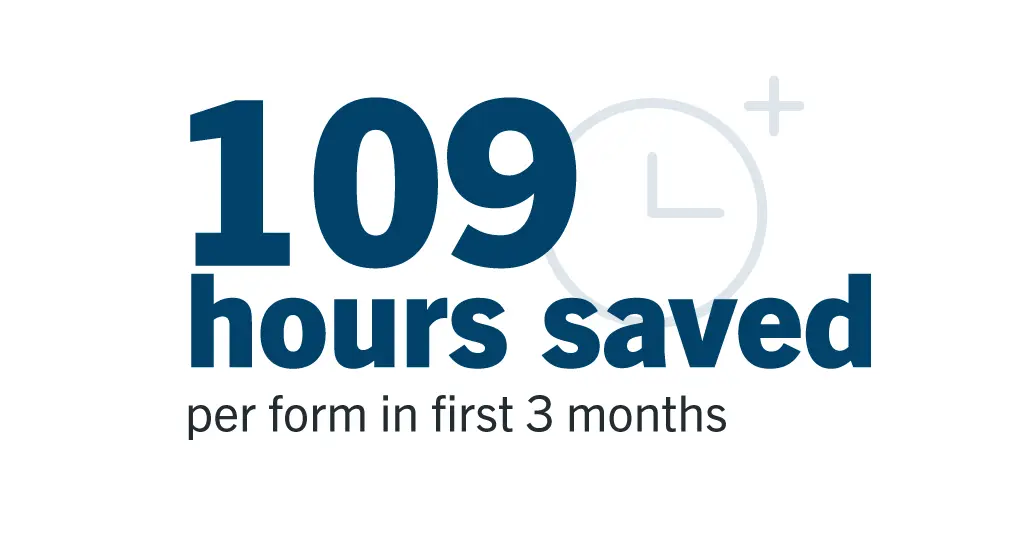
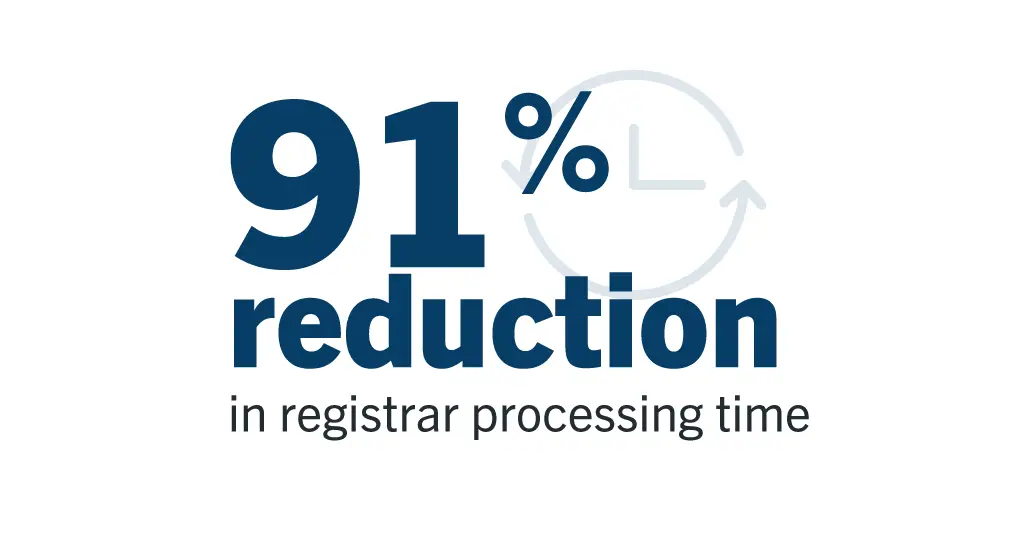
After Laserfiche, the average processing time dropped from an average of five days to just 11 hours, representing a 91% efficiency gain. Within the first three months, staff processed 453 requests digitally, saving approximately 109 hours per form.
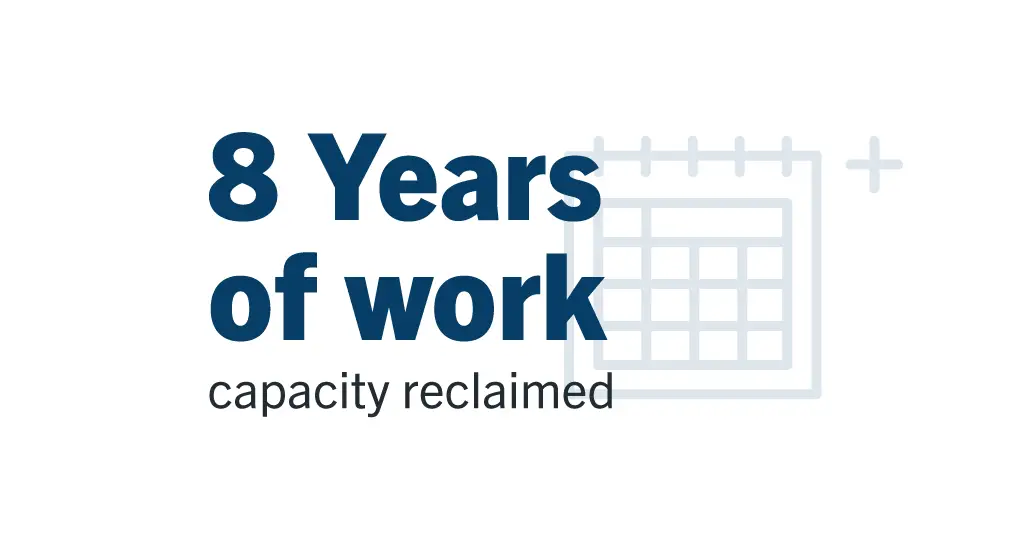
In total, that translates to more than 49,000 staff hours — nearly eight years of reclaimed work capacity — enabling K-State to respond to student needs faster and deliver more timely, reliable services.
Accuracy, Resilience and Governance Built In
Laserfiche integrates directly with the student information system, allowing staff to retrieve verified student data automatically rather than entering details by hand. Previously, manual data entry for each new request led to frequent errors and rework. “Now the data comes straight from our system, improving accuracy and reducing follow-up work,” Lundeen said.
Centralized document storage also eliminated duplication across departments. This makes records easier to find, manage and govern. Search is faster, metadata is consistent and documents remain securely accessible throughout their lifecycle.
Momentum That Scales
Success in the registrar’s office quickly built momentum across campus, with additional departments expressing interest in adopting the platform. “We’ve seen a strong response from teams eager to modernize their own processes,” said Lundeen.
Financial operations are next on the roadmap, alongside efforts to retire legacy content systems. Laserfiche will support this large-scale data migration and information governance. The cloud deployment will simplify transitions and reduce long-term risk.
“With Laserfiche, we empower departments to manage their own processes without relying on IT for every change,” said Lundeen. “That’s helping us reclaim time, reduce risk and prepare the university for the future.”