
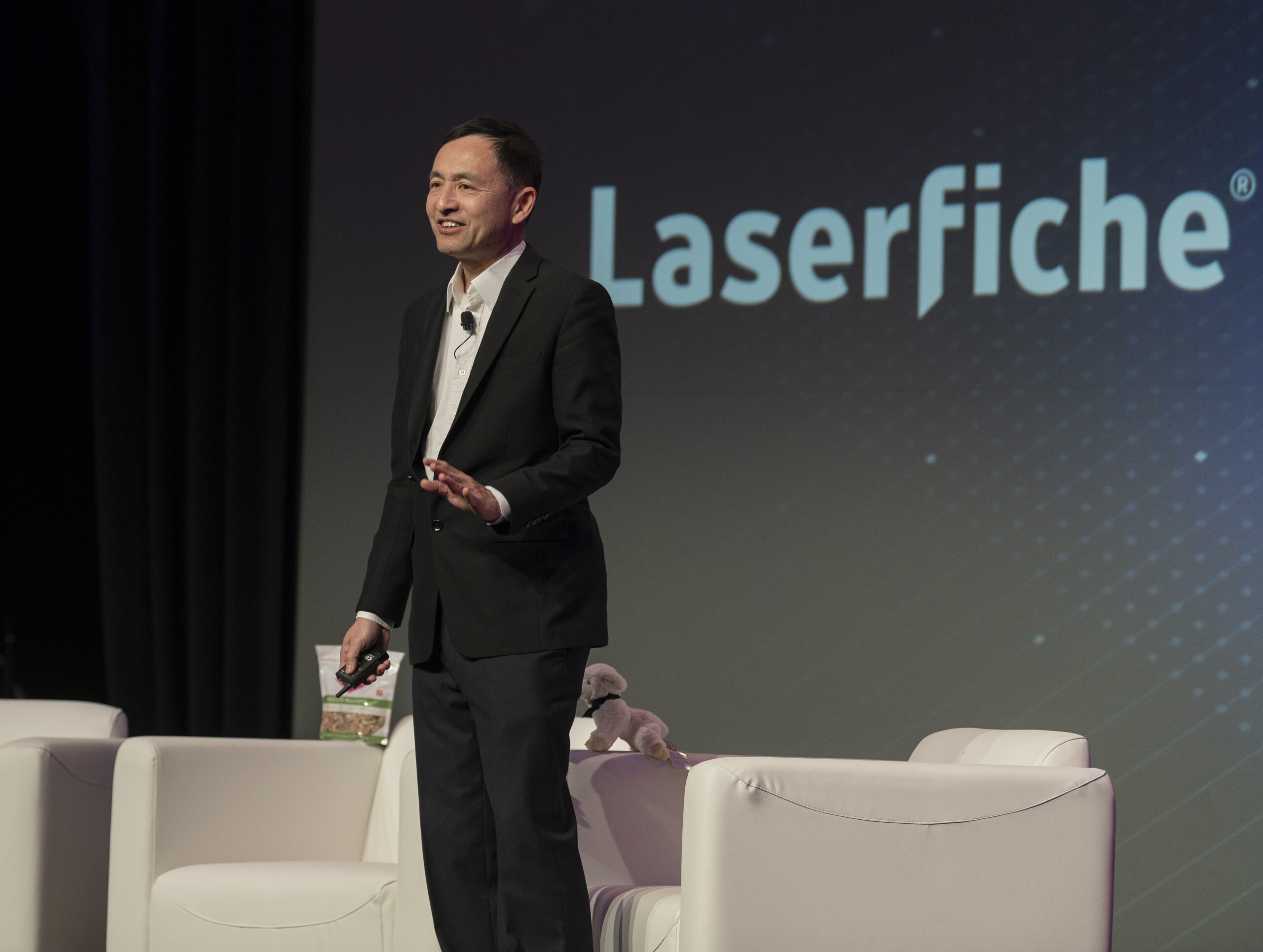
After spending time with customers and technology leaders at Empower 2026, it was hard to ignore the impact that AI is having on every industry.
During the customer keynote, we heard firsthand stories from leaders and experts across the public and private sectors who are navigating this change in real-time. While most aren’t used to seeing this kind of speed with enterprise technology, where evolution once took decades rather than months, the organizations gaining the greatest value aren’t chasing every new tool. They already have the operational foundation to adapt quickly and put AI to work.
As our speakers highlighted, success usually comes down to having clean data, connected systems, clear governance and teams that understand their processes well enough to improve them.
This is the real starting line for AI readiness.
Moving AI From Experimentation to Impact
Bianca Lochner, CIO for the City of Scottsdale, talked about how quickly the conversation around AI evolved from hype and experimentation to practicality and operational impact. For Scottsdale, making AI practical means moving past the technical specs to focus on the end goal. “We don’t think about technology only,” she said. “We lead with the outcomes.”
That means improving services for residents, scaling successful initiatives across departments and avoiding AI silos with limited value. “Innovation is a team sport,” she said.
The city supports more than 600 citizen services and welcomes millions of visitors every year. Scottsdale already uses Laserfiche and AI-powered automation to reduce permitting review times from days to hours, and to accelerate onboarding and training for first responders. As part of its ongoing modernization efforts, Scottsdale is now deploying its Laserfiche instance to the cloud.
Data and Process Maturity Matter
Desiree Champaco, vice president of IT and supply chain at Diamond Foods, knows what it takes to modernize a 115-year-old company. “The technology is largely there,” she said. “But from a maturity standpoint, are your organizations ready to adopt it?”
Diamond Foods spent years improving the processes, integrations and data quality that allow teams to move faster and make better decisions. One example involved integrating Laserfiche with the company’s ERP environment to eliminate manual invoice uploads and reduce repetitive work inside finance operations. As part of that modernization effort, Diamond Foods migrated from an on-premises Laserfiche environment to the cloud to support future growth and AI-driven workflows.
Champaco also described how AI can help supply chain teams process large amounts of planning data that would otherwise consume hours of manual effort every day. Transportation costs, inventory levels, external demand signals and customer data are changing constantly. For teams managing those variables, AI agents create opportunities to respond faster and spend more time making decisions instead of manually assembling information.
For Diamond Foods, speed matters. So does giving teams the ability to spend less time piecing information together and more time responding to what’s happening across the business.
Trust is Becoming a Competitive Advantage
AI only works at scale when people trust how the systems operate. As organizations begin delegating more work to autonomous agents, expectations around governance, transparency and security are rising just as quickly.
Rob Lloyd, executive director of the Center for Digital Government, described trust as one of the defining challenges of the next several years. “Trust is either going to be something that allows you to act faster and be your multiplier,” he explained, where technology, tools and processes can finally fill the gap between rising expectations and tightening budgets, “or we are going to see it break organizations.”
The faster AI is embedded in everyday work, the more important those trust signals become. The companies and public sector agencies moving fastest are usually the ones putting clear guardrails around how their teams use AI and creating transparency around how AI-driven decisions are made.
Different perspectives. One operational reality.
Successful AI adoption begins with the work happening behind the scenes: modernizing workflows, connecting systems and breaking down operational silos that have existed for years. The leaders at Empower 2026 highlighted how this foundation supports the most effective AI initiatives, helping teams spend less time on repetitive work and more time on what matters most.
The starting line for AI is already behind us. The conversation is becoming far more operational, focused on how AI improves responsiveness, reduces friction and fits into the way work already gets done.
And that’s where organizations are starting to see the strongest results.
Download our eBook to learn how business leaders are accelerating daily operations and driving real change with agentic AI.
Published: June 29, 2026