
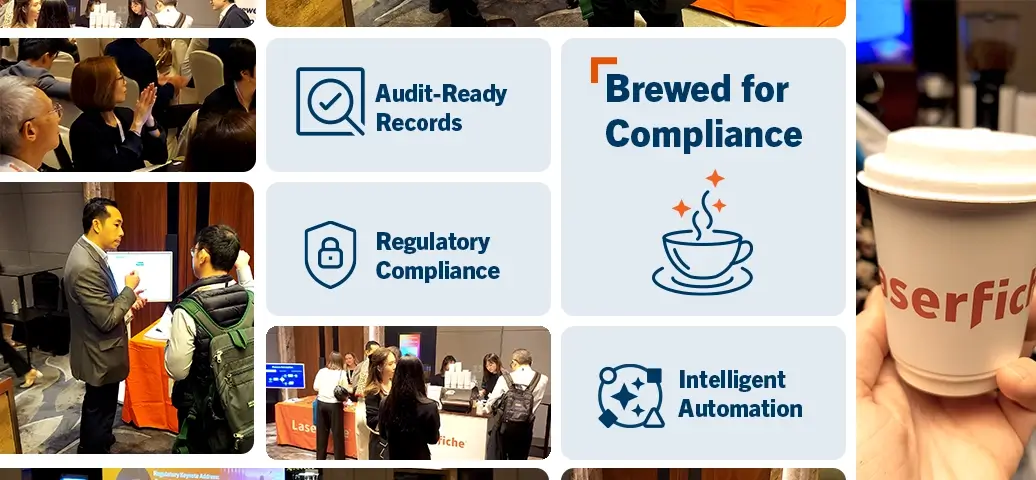
Hong Kong’s status as a premier international financial hub is anchored by a foundation of transparency and a robust regulatory framework. However, in the ever-evolving digital landscape of 2026, that foundation is being tested. According to the recent ALB Hong Kong Regulatory & Compliance Summit, rising global geopolitical tensions and a surge in AI-enabled fraud are creating a new breed of cross-border compliance challenges.
At the summit this March, financial experts and cybersecurity leaders gathered to analyze how shifting sanctions and digital crimes are straining institutional protocols. Their consensus was clear: traditional compliance is no longer enough.
The Governance Imperative
With the commencement of the Protection of Critical Infrastructure Ordinance in January 2026, Hong Kong has entered a new era of active enforcement. Compliance is no longer a compliance-by-mandate; it is a critical boardroom priority. With data from the Hong Kong Police Force showing a steady rise in deception cases, regulators are increasingly focused on how AI can be both a weapon for financial crime and a shield for defense.
For businesses in this dynamic digital hub, the conversation has shifted from whether to adopt AI to how to build the tech-driven defenses necessary to withstand this complex regulatory environment. To ensure long-term stability, organizations must transcend traditional advisory roles and embed AI governance as a fundamental pillar of security.
Securing Your Organization
While the advent of AI has led to the rapid sophistication of cybercrime and fraud, organizations can take definitive steps to secure themselves. Following the insights from the 2026 Summit, the priority is to move beyond passive monitoring toward an active defense model.
Key Defense Strategies
1. Combating AI-Enabled Fraud and Financial Crime
As criminals leverage AI for money laundering and cyberattacks, taking the following measures can significantly mitigate your risk:
- Establish Smart Policing and Cybersecurity Centers: Move beyond basic IT support by embedding dedicated security hubs within your corporate infrastructure to centralize threat intelligence.
- Deploy “AI-to-Catch-AI”: Your compliance framework must utilize machine learning for real-time monitoring of transnational telecom and internet fraud, identifying patterns that are invisible to the human eye.
- Prioritize Digital Forensics: Invest in advanced forensic tools to ensure that if a breach occurs, your team can rapidly trace the source and mitigate the imp
2. Privacy by Design: The PDPO and Beyond
While the Personal Data (Privacy) Ordinance (PDPO) —Hong Kong’s primary legal statute for safeguarding individual privacy— remains the bedrock of data protection, the Office of the Privacy Commissioner for Personal Data (PCPD) now emphasizes Ethics-by-Design. This approach mandates embedding ethical considerations and privacy protections into the earliest stages of technological development. Key pillars of this strategy include:
- Transparency and Explainability: Organizations are urged to move toward “Explainable AI” (XAI). In sectors like banking and insurance, being able to explain why an algorithm made a specific decision is now a regulatory expectation, not a luxury.
- Data Mapping and the GBA: As cross-border data transfers within the Greater Bay Area (GBA)—linking Hong Kong with mainland China—become more frequent, businesses must conduct rigorous data mapping. This creates a detailed inventory of where data originates and how it flows across different legal jurisdictions.
- Supplier Due Diligence: Compliance must extend to your partners. Organizations must perform supplier data protection due diligence to ensure that third-party vendors adhere to the same rigorous security standards required by the PDPO.
3. Bridging the Governance Gap: The Evolving Role of the GC
In recent years, the role of the General Counsel (GC) has transitioned from a purely legal function to that of a strategic partner. GCs are now tasked with aligning AI operations with rapidly changing business requirements. To bridge the gap between innovation and oversight, organizations should implement:
- Cross-Functional Committees: Establish an AI ethics committee that includes legal, compliance, and technology innovators.
- Human Checkpoints: Even the most advanced AI requires “human oversight.” Ensure that high-stakes decisions—especially those involving credit scoring, employment, or legal outcomes—are reviewed by qualified professionals.
4. Navigating Risk and Sustainability Directives
AI does not operate in a vacuum. The 2026 Summit leaders noted that intricate sanctions regimes and trade tensions —particularly between the U.S. and China— are impacting how technology is deployed. Interestingly, AI compliance in 2026 is becoming inextricably linked to ESG (Environmental, Social, and Governance) mandates specifically in these areas:
- Algorithmic Fairness: Preventing bias in AI is no longer just a technical goal; it is a social responsibility. Ensuring algorithms do not discriminate is now a key metric in corporate social performance.
- Corporate Governance: Boards are expected to translate “responsible AI” from a theory into clear governance standards, ensuring that technological research and development support long-term organizational sustainability.
- Resilient Operations: Compliance programs must be recalibrated to handle global volatility. This requires sector fluency—the ability to understand local regulatory nuances while navigating geopolitical shifts.
Beyond Compliance: Shaping the Future of 2026
As Hong Kong accelerates its digital economy ambitions, the winners will be those who view compliance as a “proactive risk management system.” By pioneering legal tech adoption and redesigning service delivery models, firms can turn regulatory hurdles into competitive advantages.
In the words of the industry leaders at the ALB Summit, staying ahead of the curve requires a “comprehensive understanding of both technological advancements and the methods utilized by financial criminals.” By embedding these best practices into your organizational DNA, you do more than adapt to the changes of 2026—you will actively shape it.
For more information on governed-AI, download the eBook now:
Published: June 5, 2026