Moving Beyond the Weight of Paper Files
As a systems analyst, Geethmi Dissanayake spends her time helping the City of Tucson improve how residents access services. But long before Tucson began modernizing its processes, the city faced a problem so physically large that officials questioned whether part of a building floor could safely support the weight of years of paper records.
“At that time, almost everything depended on paper,” Dissanayake said. “As the city grew and the services we offered expanded, it became harder to manage information efficiently and deliver the experience residents expected.”
Paper-based processes created delays across city operations. Residents often had to call city offices or visit in person to submit requests. Employees manually routed documents between departments for approvals and reviews. Some processes took days or weeks to complete.
City leaders recognized that Tucson needed a more practical and reliable way to deliver services. They selected Laserfiche in 2020, shortly before the pandemic accelerated demand for digital services and remote access. The priority was to digitize forms and simplify internal workflows with Laserfiche Forms. As departments saw results, use of the platform steadily expanded into additional employee and resident-facing processes.
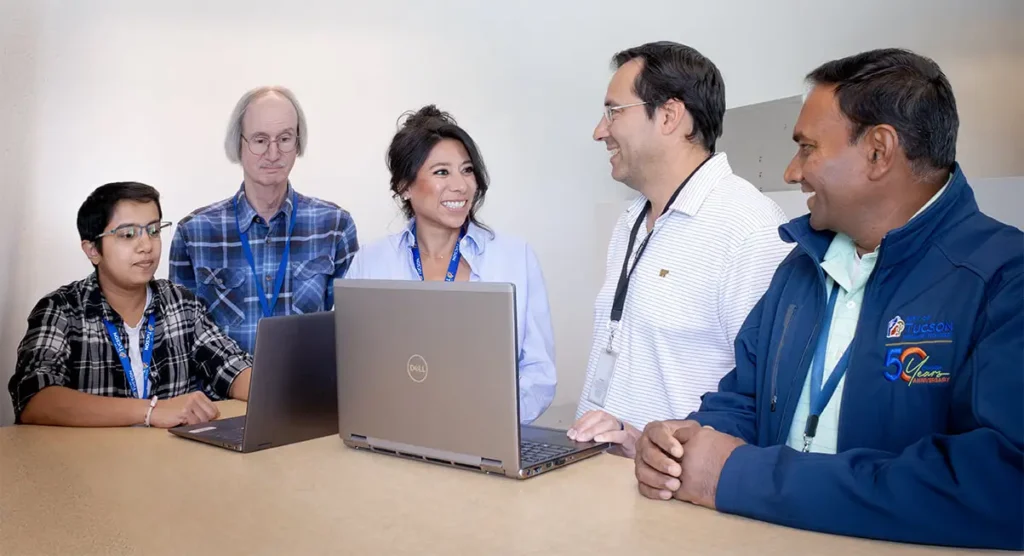
More recently, the city’s focus shifted toward accessibility. With fast-approaching deadlines to meet Americans with Disabilities Act (ADA) requirements, Tucson began improving hundreds of public-facing forms to make digital services easier to navigate for residents using assistive technology.
What started as an effort to reduce paper gradually evolved into a broader strategy for improving how residents interact with city services.
Streamlining Resident Services
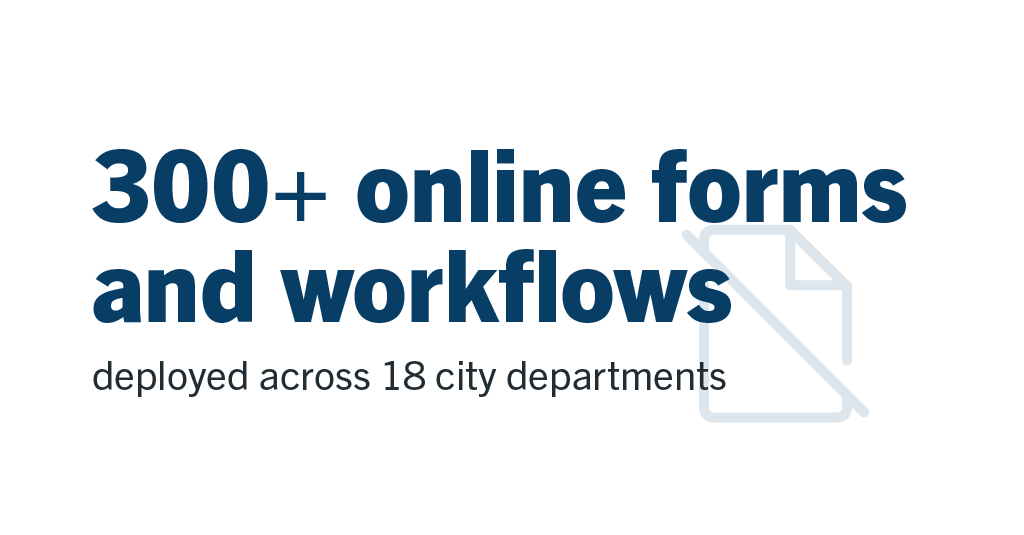
Today, Laserfiche Forms supports more than 300 public-facing forms and workflows across 18 city departments, including water, transportation and environmental services. Residents can start or stop water service, request the correct trash bin size for their household and submit disability-related transportation requests online without having to create an account or visit city offices.
Before Laserfiche, many of these requests depended on paper forms, phone calls or in-person visits during business hours. Incomplete submissions often created additional delays because city staff needed to contact residents for missing information before they could move requests forward. Laserfiche Forms helped solve that issue with guided submissions and built-in validation checks that prevent forms from being submitted without all the required information.
The city also improved consistency across departments by standardizing how employees collect information and move requests through approvals. Instead of relying on paper handoffs, emails or phone calls to check statuses, departments now track requests directly in Laserfiche and quickly identify where action is needed. Employees spend less time tracking down information, which helps them respond to residents more quickly.
“Laserfiche has teams across the city looking at how they can make services easier for residents to access and easier for employees to manage behind the scenes,” said Sudhakar Makham, systems analyst for the City of Tucson.
Accelerating Employee Onboarding and Approvals
Successfully streamlining public-facing processes inspired departments to modernize additional employee-facing workflows. One of the most widely used is the employee badge request process, which every new hire completes before receiving access to city facilities. Previously, employees passed printed paperwork between offices for approvals. Staff waited for signatures before forwarding requests to the next department. Because it involved building access and security clearances, delays slowed onboarding for new employees.
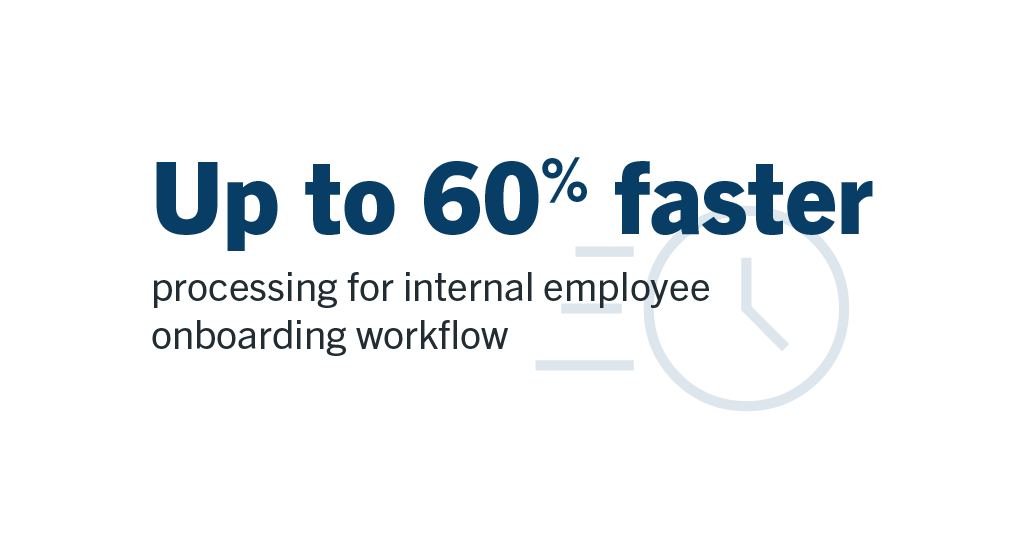
Now, staff simply submit a Laserfiche form that automatically routes approvals through the appropriate departments. The workflow generates tracking numbers, sends notifications and securely moves requests through each approval stage. What once took weeks can now be accomplished in four days — up to 60% faster.
“Laserfiche removed a lot of the manual coordination that used to happen between departments, saving hours of staff time,” said Dissanayake. “Employees no longer physically send secure documents back and forth, and departments can immediately see where requests are in the process. That visibility makes collaboration much easier and helps approvals move faster.”
Accessible Forms for Everyone
Upcoming federal ADA accessibility deadlines further expanded the city’s use of Laserfiche Forms to meet the requirements for its public-facing forms. Laserfiche designs and develops its products with digital accessibility at the forefront, routinely publishing Voluntary Product Accessibility Templates (VPATs) to provide state and local governments with the architectural foundation to build compliant public-facing solutions.
Even with the right tools, however, achieving compliance can be a massive hurdle for local governments. Tucson’s audit and remediation initiative meticulously evaluated the city’s digital assets. Rather than outsourcing the work, the city tapped the custom JavaScript and Cascading Style Sheets (CSS) capabilities within Laserfiche Forms to achieve compliance. For example, one issue involved browser tabs displaying generic form titles such as “New Submission,” which created confusion for residents using screen readers to navigate multiple forms. Using Laserfiche Forms customization capabilities, the city developed a solution that dynamically updated form titles to improve screen reader navigation and usability.
The team applied these tailored structural improvements across hundreds of forms through a structured rollout process. By utilizing Laserfiche’s robust, developer-friendly architecture, Tucson successfully turned a strict regulatory mandate into a community asset. In addition to strengthening accessibility and usability for residents, the initiative reduced long-term maintenance costs and circumvented the need to invest in additional software.
Expanding Innovation Across the City
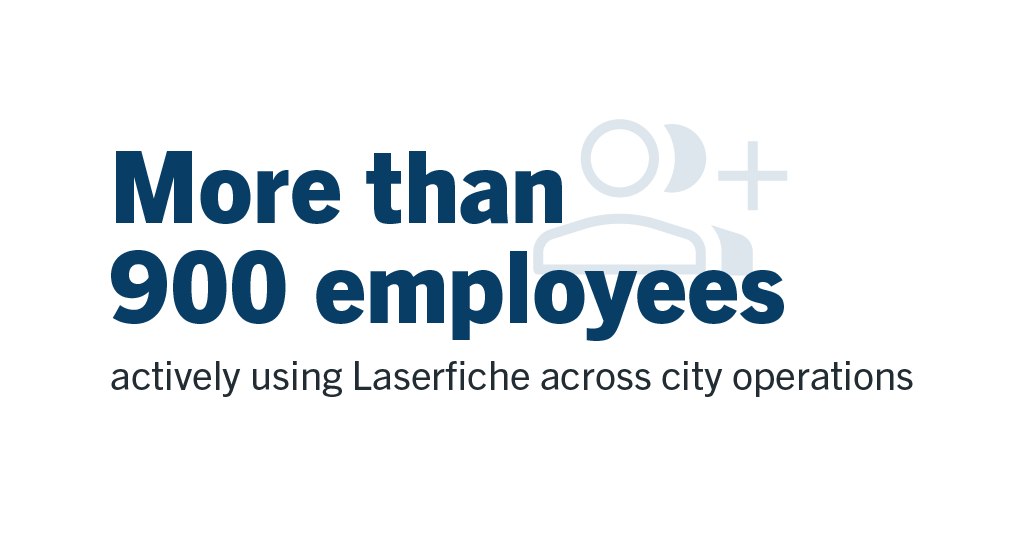
The City of Tucson has come a long way since officials worried about the physical weight of paper files. Today, more than 900 employees across departments actively use Laserfiche for forms and approvals.
“We regularly get requests from departments that want to replicate what another team is doing with Laserfiche,” said Makham. “Once our colleagues see how much faster and easier the process becomes, they start looking for other workflows they can improve.”
The platform’s usability also makes it easier for the city to train employees with a wide range of technical experience. “Employees with very different backgrounds learn Laserfiche quickly,” said Dissanayake. “Laserfiche is intuitive, which makes it much easier for departments to adopt new workflows and manage them confidently.”
A case in point is Makham himself, who joined the city with no previous Laserfiche experience, learned the platform through Laserfiche Aspire training resources and is now a certified Laserfiche developer.
“Technology works best when it makes life easier for people,” said Dissanayake. “That’s what Laserfiche did for city residents and employees alike.”