AI Readiness Starts With Operational Readiness | Empower 2026 Recap

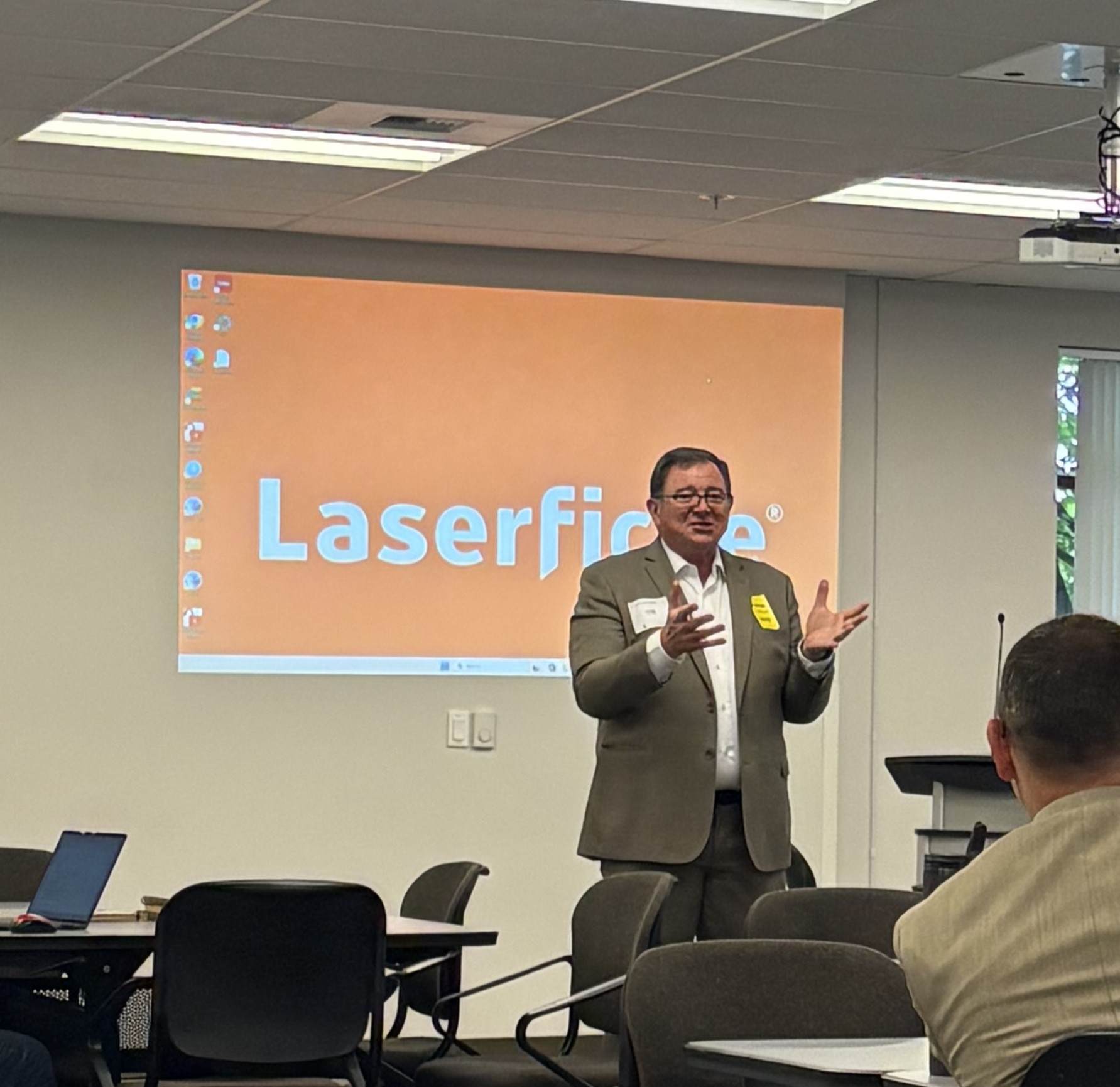
Karl Chan on stage at Empower 2026

After spending time with customers and technology leaders at Empower 2026, it was hard to ignore the impact that AI is having on every industry.

During the customer keynote, we heard firsthand stories from leaders and experts across the public and private sectors who are navigating this change in real-time. While most aren’t used to seeing this kind of speed with enterprise technology, where evolution once took decades rather than months, the organizations gaining the greatest value aren’t chasing every new tool. They already have the operational foundation to adapt quickly and put AI to work.

As our speakers highlighted, success usually comes down to having clean data, connected systems, clear governance and teams that understand their processes well enough to improve them.

This is the real starting line for AI readiness.

Moving AI From Experimentation to Impact 

Bianca Lochner, CIO for the City of Scottsdale, talked about how quickly the conversation around AI evolved from hype and experimentation to practicality and operational impact. For Scottsdale, making AI practical means moving past the technical specs to focus on the end goal. “We don’t think about technology only,” she said. “We lead with the outcomes.”

That means improving services for residents, scaling successful initiatives across departments and avoiding AI silos with limited value. “Innovation is a team sport,” she said.

The city supports more than 600 citizen services and welcomes millions of visitors every year. Scottsdale already uses Laserfiche and AI-powered automation to reduce permitting review times from days to hours, and to accelerate onboarding and training for first responders. As part of its ongoing modernization efforts, Scottsdale is now deploying its Laserfiche instance to the cloud.

Data and Process Maturity Matter 

Desiree Champaco, vice president of IT and supply chain at Diamond Foods, knows what it takes to modernize a 115-year-old company. “The technology is largely there,” she said. “But from a maturity standpoint, are your organizations ready to adopt it?”

Diamond Foods spent years improving the processes, integrations and data quality that allow teams to move faster and make better decisions. One example involved integrating Laserfiche with the company’s ERP environment to eliminate manual invoice uploads and reduce repetitive work inside finance operations. As part of that modernization effort, Diamond Foods migrated from an on-premises Laserfiche environment to the cloud to support future growth and AI-driven workflows.

Champaco also described how AI can help supply chain teams process large amounts of planning data that would otherwise consume hours of manual effort every day. Transportation costs, inventory levels, external demand signals and customer data are changing constantly. For teams managing those variables, AI agents create opportunities to respond faster and spend more time making decisions instead of manually assembling information.

For Diamond Foods, speed matters. So does giving teams the ability to spend less time piecing information together and more time responding to what’s happening across the business.

Trust is Becoming a Competitive Advantage 

AI only works at scale when people trust how the systems operate. As organizations begin delegating more work to autonomous agents, expectations around governance, transparency and security are rising just as quickly.

Rob Lloyd, executive director of the Center for Digital Government, described trust as one of the defining challenges of the next several years. “Trust is either going to be something that allows you to act faster and be your multiplier,” he explained, where technology, tools and processes can finally fill the gap between rising expectations and tightening budgets, “or we are going to see it break organizations.”

The faster AI is embedded in everyday work, the more important those trust signals become. The companies and public sector agencies moving fastest are usually the ones putting clear guardrails around how their teams use AI and creating transparency around how AI-driven decisions are made.

Different perspectives. One operational reality.  

Successful AI adoption begins with the work happening behind the scenes: modernizing workflows, connecting systems and breaking down operational silos that have existed for years. The leaders at Empower 2026 highlighted how this foundation supports the most effective AI initiatives, helping teams spend less time on repetitive work and more time on what matters most.

The starting line for AI is already behind us. The conversation is becoming far more operational, focused on how AI improves responsiveness, reduces friction and fits into the way work already gets done.

And that’s where organizations are starting to see the strongest results.

Download our eBook to learn how business leaders are accelerating daily operations and driving real change with agentic AI.

Info-Tech Live 2026: Agentic AI Best Practices for Tech Leaders  

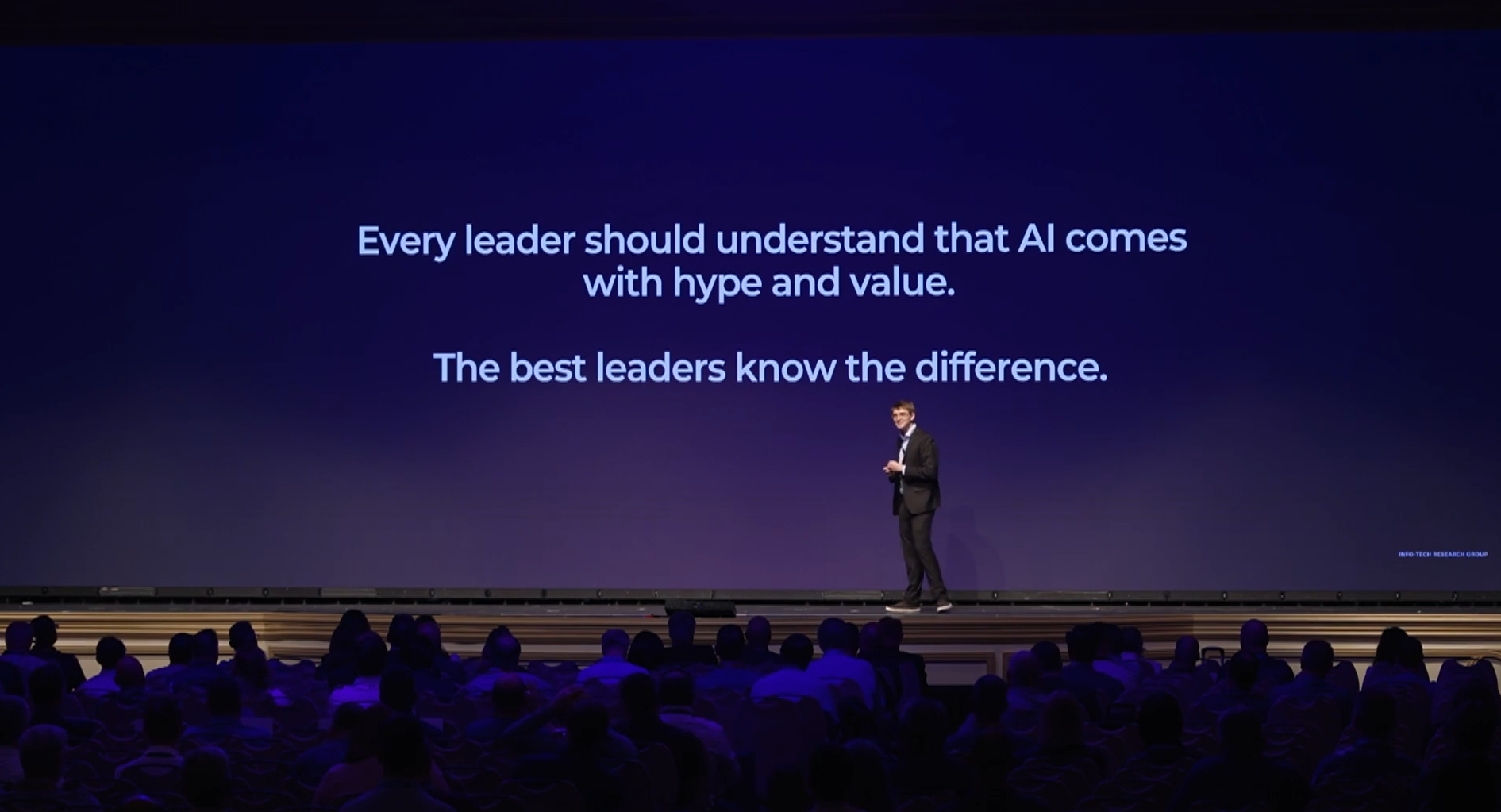
Keynote speaker on stage

I recently had the opportunity to join 4,000 IT and tech professionals at Info-Tech Live 2026 in Las Vegas to explore the technology driving modern organizations forward.

Agentic AI dominated the conversations at the event, but as I caught up with folks in the halls, a much more grounded concept kept cutting through the noise: practicality. The burning question is no longer if leaders should adopt AI, but how to systematically deploy AI and agents to drive actual business outcomes.

Leaders today are challenged to look at AI adoption, not just as an IT initiative, but as a holistic business function. When you strip away the hype, successfully pioneering this next era comes down to robust data governance, IT empowerment and leadership adaptability.

Five Agentic AI Best Practices

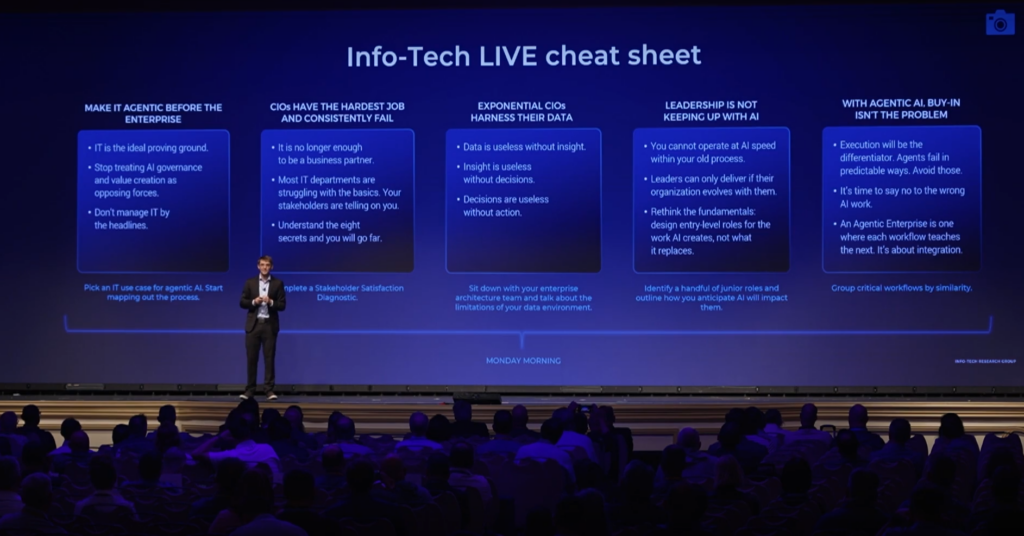
Think of AI agents like enthusiastic interns: they bring tons of potential to your teams, but they need strict boundaries and clear guidance before you let them loose. That balance between autonomy and control is precisely what Jeremy Roberts, Senior Director at Info-Tech Research Group, tackled in his closing keynote where he shared a tactical ‘cheat sheet’ of five event takeaways for successful agentic AI:

Keynote cheat sheet

  1. Make IT Agentic Before the Enterprise – IT teams have a deep understanding of software limitations and change management, making them the ideal proving ground for agentic technology. Proving tangible business results in one controlled department helps build the baseline framework you need to safely scale AI across the rest of the enterprise.
  2. CIOs Have the Hardest Job – The corporate expectations placed on tech leaders are steadily increasing. As Roberts perfectly captured during the event: “When every company is a technology company — every single one — you are not merely a partner in that growth. You must be a leader. You must be an innovator.” However, most IT departments are struggling with the basics. Unstructured data, disjointed systems and a lack of transparency eventually get back to stakeholders. To start building a foundation of trust, encourage your teams to run regular diagnostics. Success in the agentic era requires a clear look at your system’s weak points, so remediation can begin.
  3. Exponential CIOs Harness Their Data – Technology means nothing without a strong data foundation, but gathering files is only the first step. Data is useless without insight; insight is meaningless without decisions and decisions are only effective when actioned. That deliberate path — moving from raw data to real-world action and strategic innovation — is how leaders drive true transformation.
  4. Leadership is Not Keeping Up with AI – True organizational agility means evolving right alongside the technology. That requires a willingness to redesign workflows from scratch, build entirely new roles around the work AI creates and fundamentally rethink how we operate day-to-day. This is exactly where adaptable leaders will separate themselves from the pack. The hard truth is that you simply cannot run a business at AI speed if you are still clinging to old, manual processes.
  5. With Agentic AI, Buy-In Isn’t the Problem – You don’t have to sell leaders on the immense value of agentic AI. The real problem is in execution. The reason data governance took center stage in so many conversations at the conference is because too many companies have massive governance blind spots. Policies are written down on paper, but nobody is enforcing, updating or reviewing them. If your internal data is a chaotic, unmanaged wilderness, your digital interns are inevitably going to access the wrong files and learn the wrong behaviors.

As discussions at the conference highlighted, AI agents fail in very predictable ways. Keeping your initiatives on the rails isn’t about creating bureaucratic red tape — it’s about establishing agentic AI best practices and governance frameworks to avoid common pitfalls and build an enterprise where every workflow safely connects to and informs the next.

Document Management Is More Important than Ever

Looking at the core takeaways from the conference, it’s clear: document management is more critical than ever. A recent report from Info-Tech Research Group, “Unlocking Your Organization’s Content with AI-Powered Document Management,” emphasizes the true value of content management systems in building that vital data foundation that so many leaders at the conference talked about. With embedded next-gen tools like AI-assisted search and data capture, along with agentic chat capabilities, these platforms have evolved far beyond digital filing cabinets. Intelligent document processing systems are now valuable business partners that help you scale securely.

“With 80% to 90% of data being unstructured – including text, video, audio, web server logs, and social media – a significant competitive advantage awaits companies that can effectively tap into this largely unused resource.” – 2025 MIT Sloan Report

The organizations that lead this new agentic era will be the ones that take control of their unstructured data and build a secure, practical foundation for their digital workforce to succeed.

Selecting an Agentic Vendor

With 62% of organizations citing agentic system complexity as their top deployment barrier, choosing the right agentic vendor is key.

Buying AI isn’t a standalone software purchase anymore; you have to evaluate the whole package — from basic data tools to underlying models and infrastructure costs. That means instead of just chasing features, leaders need to look for an agentic vendor built on a secure data foundation that plugs directly into existing tech and includes built-in governance guardrails for safe AI adoption.

The right partner turns these complex hurdles into a confident step forward into the agentic era. To see this in practice, we recently teamed up with Info-Tech Research Group to look at how organizations like the City of Acworth are already driving real-world results with a reliable AI partner. Watch the on-demand webinar here to learn how practical agentic solutions can empower your teams and transform your business.

Innovation Meets Impact: Recap of 2026 Oregon Digital Government Summit

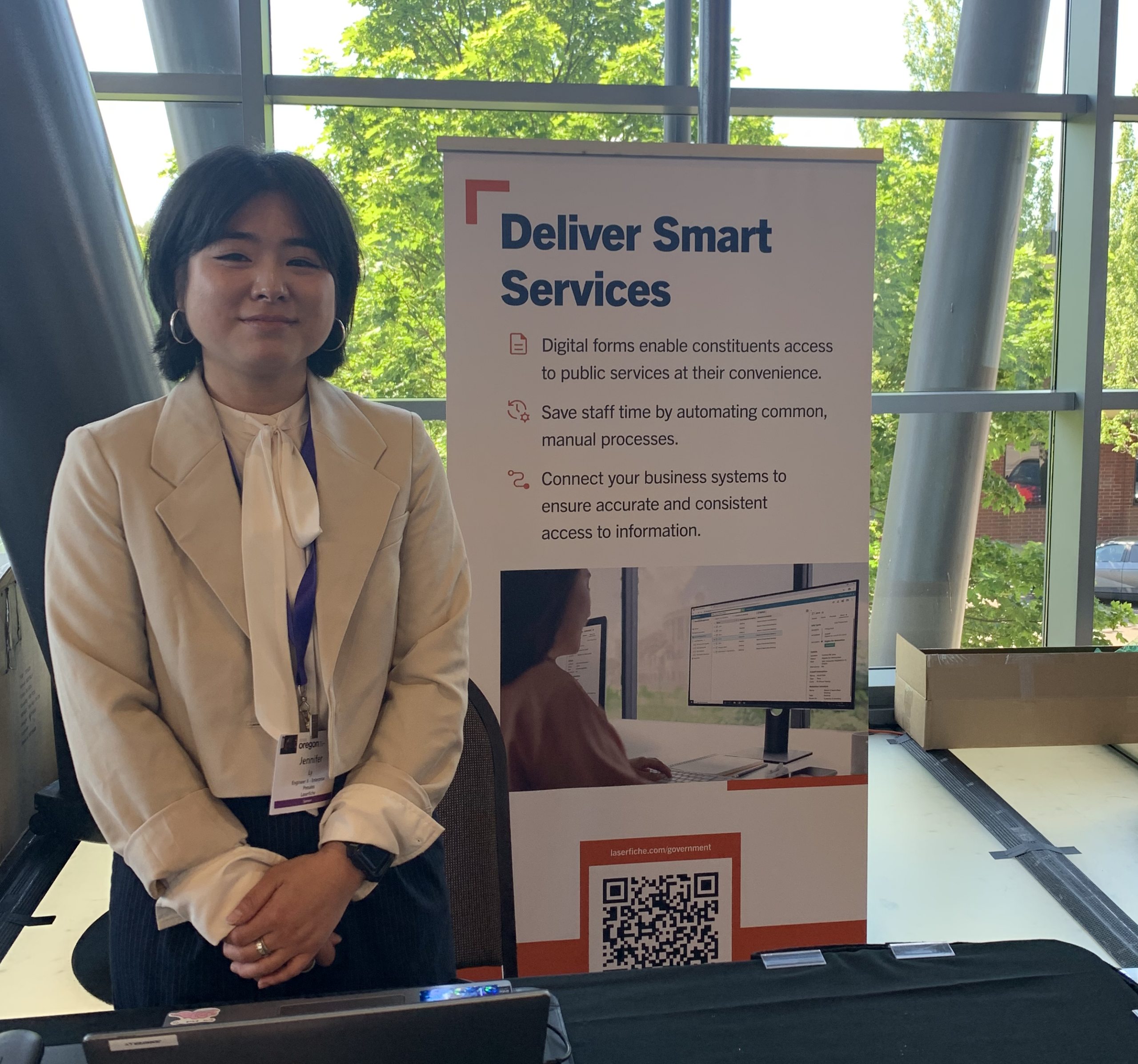
Jennifer next to Laserfiche banner

At this year’s Oregon Digital Government Summit in Salem, state and local IT and governance leaders gathered to set the strategy for the future of the state’s public infrastructure. The conversations at the event focused on driving digital transformation to address common public sector challenges through practical AI utilization to provide modernized constituent services — all while maintaining trust. 

Oregon’s Chief Information Officer, Terrence Woods, echoed this sentiment, “Digital transformation isn’t about systems — it’s about belief. When leaders trust their platforms, innovation accelerates. I look forward to the 16th annual Oregon Digital Government Summit where we can continue collaborating on digital transformation strategies.”  

This focus on trust and innovation aligns directly with the expanding AI governance policies and questions public sector leaders are increasingly facing from their teams and the communities they serve. 

Laying the Groundwork: Oregon’s AI Governance Framework  

Government modernization has evolved from merely digitizing data and cloud migration to turning massive volumes of information into trusted intelligence. To bridge that gap, agencies are rapidly scaling the use of AI in public sector workflows. 

Laying the groundwork for responsible AI adoption, Oregon established the State Government Artificial Intelligence Advisory Council  and appointed a Chief Privacy Officer and AI Strategist to guide agency adoption. In early 2025, the council published its Final Recommended Action Plan emphasizing transparency, privacy, security and workforce readiness as prerequisites for scaling AI across state government.  

Rather than treating AI as a standalone initiative, Oregon is positioning it as part of a broader effort to modernize how information is governed, shared and used to improve outcomes for Oregonians. 

Oregon’s Vision for AI in Public Sector Work 

In many ways, Oregon’s vision reflects a broader shift occurring across state government: technology is an asset to humans only when deployed responsibly. 

During his summit keynote, “How Public Sector Leaders Unlock Collective Genius and Fuel Breakthroughs in the Age of AI,” author Frankie Russo challenged attendees to view AI not as a replacement, but as a “copilot” to unlock human intelligence and impact. This theme echoed throughout the event, shifting the conversation from treating AI as a mere technical tool to leveraging it as a catalyst for collaborative, human-centric innovation. 

But as many leaders at the conference agreed, AI requires strong guardrails to remain effective and maintain public trust. 

Guiding AI Transformation Through Strategic Governance  

State and local leaders in Oregon are recognizing that AI transformation is founded in governance, not just adoption. Compliance is not a barrier to innovation—it is the mechanism that makes it safe and sustainable.  

Translating the “copilot” vision from Russo’s keynote into real-world results demands a foundation rooted in integrity. Summit conversations converged on four critical capabilities required to achieve this: 

  1. Trustworthy data: Agencies must ensure the content informing AI systems is accurate, current, and securely governed. 
  1. Operationalized governance: Policies regarding privacy, retention, and security must be embedded directly into technology platforms, not just written in documents. 
  1. Discoverable information: AI cannot generate insights from data it cannot find, analyze, or contextualize. 
  1. Transparency and accountability: To protect public trust, AI-assisted decisions must remain explainable, auditable, and subject to human oversight.  

As Oregon advances its enterprise AI strategy, long-term success will hinge on these core practices. By establishing a disciplined data foundation today, public sector organizations will find it drastically easier to drive digital innovation responsibly while maintaining public confidence. 

Moving Toward Agentic AI and Autonomous Workflows 

Strong data governance becomes even more important in the advent of agentic AI and autonomous workflows. 

While generative AI focuses primarily on creating content and summarizing information, agentic AI introduces the ability to act, coordinate processes, and execute tasks. As these capabilities mature, the importance of structured, governed and well-managed information environments increases dramatically. Organizations that lack information governance may find themselves automating inefficiency or creating new compliance risks. Conversely, those that secure their data foundations will be well positioned to innovate public services and even strengthen trust.  

Empowering Public Servants with Human-Centric AI 

Ultimately, the Oregon Digital Government Summit proved that the future of AI in government will not be determined solely by the sophistication of the technology, but by the quality of the governance supporting it. 

Oregon’s vision is firmly grounded in a human-centric reality: The goal is not to replace public servants, but to empower them with better tools and sharper insights to improve constituent outcomes. 

From cybersecurity and data governance to AI-driven digital service delivery, this year’s summit delivered the peer connections and actionable guidance needed to move your agency’s mission forward. 

Continue the work started in Salem by downloading our executive guide to managing organizational change and scaling responsible AI adoption. 

IIMC Recap: Municipal Clerks Drive AI in Local Government Through Real-Time Leadership 

There was a time when the role of the municipal clerk was viewed primarily through the lens of records management and meeting administration. That world is gone. 

Today’s clerks are operating at the center of some of the most important challenges facing local government: transparency, accountability, cybersecurity, governance, citizen engagement and now AI-driven transformation. The pace of change is accelerating, and the expectations placed on municipal offices are changing just as quickly. 

To help professionals navigate these shifting tides, the International Institute of Municipal Clerks (IIMC) Annual Conference brings together leaders from across the globe for intensive professional development and peer collaboration. Capturing the essence of this evolution, keynote speaker Michelle Ray presented “Real-Time Leadership: How to be Ready, Responsive and Relevant in a Radically Changing World.” As an expert in helping organizations embrace accountability amidst disruption, Ray opened the event urging clerks to advocate for their vital roles and reframing them not just as administrators, but as the true “guardians of local democracy.” 

“Real-time leadership” is no longer just a leadership concept for municipal clerks; it is becoming an operational requirement. 

Legacy Hurdles of Municipal Records Management 

Municipalities are under increasing pressure to modernize services while maintaining public trust. Clerks are now expected to respond to public records requests faster, manage growing volumes of digital information, support hybrid and digital-first council operations, and navigate increasingly complex governance requirements often with limited staff and shrinking resources. 

Keynote slide of Michelle Ray on stage

 While citizens expect private-sector efficiency and instant digital access, the reality on the ground is often defined by operational friction. Many municipalities are still held back by fragmented systems and institutional knowledge trapped in siloed emails or legacy paper files. When information is buried, compliance risks spike, staff burnout skyrockets and leadership inevitably becomes reactive instead of proactive. 

This digital disconnect was the defining theme of the conversations our team had with attendees on the IIMC expo floor. Clerks from across the country shared a common frustration: massive amounts of strategic time are consumed by manual records management and meeting prep. One attendee highlighted the staggering reality of tackling a literal “basement of documents”—historical paper files requiring a grueling cycle of scanning, digitizing, and indexing just to maintain public access.  

Ultimately, when public servants are bogged down by the weight of these legacy processes, finding the room to step into the strategic leadership Michelle Ray championed can be an uphill battle. 

From Strategy to Reality: Deploying a Government Document Management System 

This is where the conversation around real-time city leadership becomes deeply practical. For municipal clerks, leading in real time isn’t an abstract concept—it means building the operational capacity to respond quickly and confidently in a constantly shifting environment. It means having visibility into information when it matters, reducing operational bottlenecks and enabling transparent and resilient governance processes. 

And increasingly, it means embracing automation, strong data governance and AI responsibly through intelligent content management systems like Laserfiche. 

AI in Local Government: From Digital Filing to Intelligent Operations 

AI may dominate today’s technology conversations, but for municipal government, the foundation starts with governance.AI is only as effective as the information environment behind it. If records are scattered across systems, metadata is inconsistent, retention policies are unmanaged, or information access is unclear, AI simply amplifies those problems. 

That is why content management has become a top strategic priority. 

Modern content management platforms are no longer just digital filing cabinets. They are becoming operational systems that help municipalities manage information intelligently, automate repetitive work, strengthen governance and improve organizational responsiveness. 

 This is where Laserfiche bridges the gap between Michelle Ray’s leadership philosophy and the day-to-day operations event attendees are struggling with. By helping municipalities centralize and govern their content, Laserfiche ensures that information is secure, accessible, and actionable. 

Instead of relying on manual processes and fragmented repositories, clerks can automate workflows, streamline records management and improve visibility across departments. 

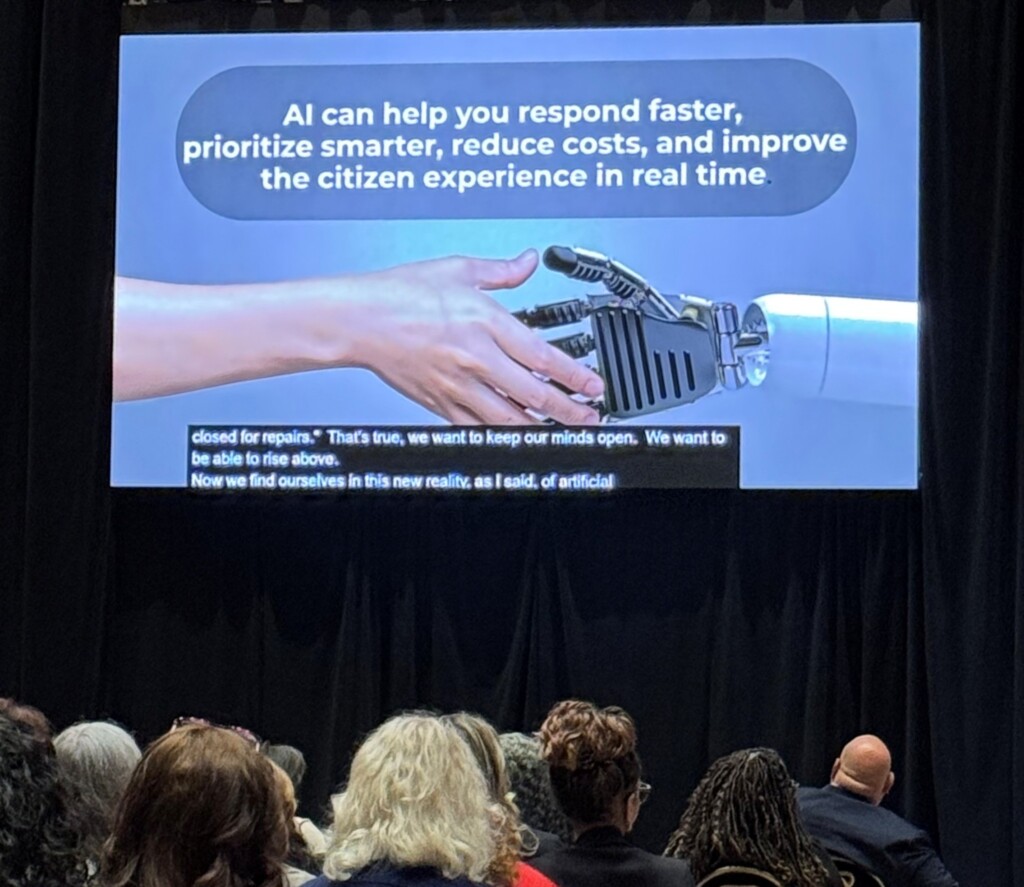
Keynote slide of human hand shaking robot hand

Ultimately, true responsiveness depends on access to trusted data. When public records requests can be fulfilled quickly, when agenda processes are automated, when retention policies are enforced consistently, and when staff can locate the right information without searching across disconnected systems, municipal offices gain the operational agility needed to lead in real time. 

Reimagining Efficiency with Automation and Agentic AI 

Automation plays a critical role in unlocking capacity. Municipal clerks are often overwhelmed with repetitive administrative work that drains valuable time and institutional bandwidth.  By utilizing Laserfiche to automate workflows for records processing, approvals, notifications and document routing, municipalities can dramatically reduce this manual burden. 

The goal here is not simply efficiency for efficiency’s sake. Rather, automation creates space for clerks to focus on higher-value leadership responsibilities such as governance, policy coordination, public engagement and strategic modernization initiatives. 

And now the conversation is evolving again with agentic AI. 

The next phase of AI inside Laserfiche goes beyond generating document summaries or answering simple questions. Laserfiche AI Agents introduce the possibility of systems that can proactively assist users by understanding context, identifying actions, surfacing relevant information, and supporting decision making. 

In a municipal environment, which could mean helping staff: 

  • Identify records tied to retention schedules.  
  • Surface documents related to public inquiries  
  • Automate classification and metadata tagging.  
  • Assist with agenda preparation.  
  • Accelerate policy research.  
  • Reduce time spent navigating large information repositories.  

Grounding AI in Local Government with Strict Data Governance 

Without strong governance, even the most sophisticated AI tools fail. This is why municipal clerks are the natural leaders for this digital transformation. Their role as stewards of transparency, accountability and records integrity is exactly what local governments need as AI adoption accelerates. Real-time leadership in the AI era is not just about moving faster. It is about ensuring municipalities can modernize responsibly while maintaining trust, compliance and transparency. 

That requires more than technology implementation. It requires operational readiness. 

The municipalities that succeed over the next several years will be the ones that treat information as strategic infrastructure, not just archived content. 

And that shift elevates the role of the municipal clerk even further. 

The future clerk’s office will not simply manage records; it will drive intelligent government operations. That is why Michelle Ray’s message matters right now. Moving beyond traditional, reactive administration isn’t just about professional growth—it is quickly becoming the definitive blueprint for running an efficient, modern municipal office. 

Ready to transform your municipal operations?  Laserfiche can help your office eliminate manual bottlenecks, secure your data infrastructure and empower your team with next-generation AI and automation. Explore how public agencies like the City of Acworth are deploying these tools safely and effectively, or take the next step toward real-time leadership by scheduling a custom demo with the Laserfiche team today.

Operational Efficiency is a Public Safety Imperative: What I Heard at the IACP Technology Conference

What I Heard at the IACP Technology Conference

In an era of on-demand digital services and deep public scrutiny, law enforcement agencies are under immense pressure to modernize. Yet, at this year’s International Association of Chiefs of Police (IACP) Technology Conference in Charlotte — the premier forum for law enforcement innovation — the conversations weren’t about chasing futuristic tech trends. Instead, the core takeaway from the expo floor was refreshingly grounded. Leaders widely agree AI and emerging technologies should be used to reduce administrative burden and free personnel to focus on public safety instead of paperwork.

While modernization once focused strictly on basic digitization and compliance, today’s leaders recognize cutting administrative friction is directly tied to an agency’s ability to protect and serve. This highlights a massive industry shift: operational efficiency is no longer just a back-office goal — it is a public safety imperative.

The Daily Strain on Police Operations

Agencies are dealing with staffing shortages, disconnected systems, growing records demands and increasing pressure to respond faster while maintaining accountability and public trust. The challenge is no longer simply storing information. The challenge is making information easy to access, trustworthy and usable when it matters most.

Throughout the conference, agencies consistently described the same operational pain points:

  1. Duplicate data entry across multiple systems  
  1. Information trapped in departmental silos  
  1. Administrative work pulling officers off the street  
  1. Difficulty finding trusted information quickly  
  1. Growing concerns around AI governance and accountability  

These are not isolated technology problems, rather operational problems which directly affect investigations, officer effectiveness and service delivery.

The staffing pressure facing agencies today is also well documented. As the National Policing Institute recently noted:

“Law enforcement agencies today face a difficult challenge: meeting growing public safety expectations while operating within tight budget constraints and with fewer officers amid declining recruitment and retention.”

That pressure is forcing agencies to rethink both how information moves across the organization and the growing role of law enforcement automation

Fragmented Systems Increase Governance Complexity

One of the strongest themes at IACP was that agencies are not looking for another standalone system and instead are seeking integrations to systems they already have. All topics discussed were focused on interoperability, governance, and law enforcement workflow automation. Today’s law enforcement environment is increasingly complex. Records management systems, CAD platforms, evidence systems, body camera platforms, drone technologies and CJIS-related repositories often operate independently from one another. As agencies add more technology, operational complexity increases.

One example discussed heavily at the conference was Drone as First Responder (DFR) programs. While drones themselves may not directly connect to content management, they are driving a growing number of integrations and governance challenges around operational data. The real issue is not collecting more information. It is governing and operationalizing information effectively. 

Elevate Public Service with Intelligent Document Management

All my discussions at the conference resulted in one theme: the need to reduce operational friction to serve the community. They want officers spending less time searching for records, re-entering information and navigating disconnected systems — and more time serving the community.

Operational efficiency is no longer just an internal administrative goal but directly connected to officer safety, service delivery and public trust.

Working in the governance-driven information management space, what I heard at IACP reinforced how critical a unified approach has become. Modern intelligent document management platforms connect departments and systems securely, creating a unified data foundation without forcing agencies to replace existing applications.

Building a Foundation for Law Enforcement Automation

Data governance becomes even more important as agencies begin adopting AI-enabled workflows. At IACP, AI discussions focused far less on hype and far more on accountability, explainability and governance. Agencies expressed real concern about how sensitive information is managed, how decisions are documented and how public trust is maintained as automation increases. With fragmented systems and unstructured data, those concerns are justified. Modernization isn’t simply access to digital records, but building an environment where information is trusted, governed, accessible, securely shareable and actionable in real time. This foundation improves more than compliance; it improves operational efficiency.

Automation in Action: Long Beach Police Department

The Long Beach Police Department (LBPD) clearly showcases the power of law enforcement automation. The department streamlined its Law Enforcement Assisted Diversion (LEAD) program, which redirects individuals to social services instead of the justice system.

To reduce manual data bottlenecks between officers, clinicians and prosecutors, the LBPD automated its intake and referral workflows into a mobile app called GUIDES (Government User Integrated Diversion Enhancement System). Powered by enterprise content management technology, this secure framework lets officers input field data and route sensitive information across city departments with strict compliance. The resulting automated system cuts administrative friction, allowing personnel to focus on community care and public safety.

Learn more about how the LBPD transformed their operations to improve public service.

The New Era of Modern Policing

Operational efficiency is quickly becoming one of the defining public safety challenges of modern policing. This reality was reflected in the dominant message from IACP: agencies do not need more standalone technology, but rather systems that work together to reduce daily friction and help personnel do their jobs more effectively.

When agencies can securely connect information across systems, automate routine processes and provide officers with faster access to trusted records, they gain real operational advantages. Investigations move faster. Administrative bottlenecks decrease. Public records requests become easier to manage. Officers spend less time navigating systems and more time focused on public safety. Most importantly, agencies strengthen public trust through better transparency, accountability and governance.

Bring your agency into the new era of policing. Download our eBook on intelligent automation to learn how our AI-powered tools can help connect your systems and reduce operational friction for your officers.

Members Trust Company Reduces Account Processing Steps by 85% With Automation

Finding Smarter Ways to Service Clients Nationwide

Members Trust Company (MTC) manages trust and investment services for more than 65 credit unions and thousands of individual clients across the United States. Through these partnerships, credit unions offer trust and investment products to their members, while MTC administers the underlying accounts and records.

Combining the scale and capabilities of a national trust institution with the personalized, relationship-driven service of a boutique firm, MTC operates under strict federal oversight by the Office of the Comptroller of the Currency (OCC). Its 60 employees oversee more than 5,000 accounts — a lean structure that makes efficiency, reliability and compliance essential to maintaining client trust.

Despite its lean size, MTC’s growing client base and expanding account volume made manual, disconnected processes difficult to sustain. Employees stored tens of thousands of client records, such as account opening forms and trust agreements, in shared drives. This made information retrieval difficult, inconsistent, and prone to errors. “It was a challenge to locate the right documents quickly,” said Diana Begley, process architect at MTC. “We wanted a system that was more structured, reliable and easier to manage.”

When Hurricane Irma knocked out power across Florida, MTC recognized that its locally managed systems created risk for both business continuity and client service. MTC made the strategic decision to move information to the cloud to better protect client assets, maintain uptime and modernize operations. The company selected Laserfiche for its secure, accessible infrastructure and powerful automation capabilities. This would enable staff across the country to access records for its nationwide client base reliably and securely, even during a disruption.

Simplifying Account Management and Strengthening Compliance

MTC’s first goal was to improve accuracy and efficiency in two key areas of account management while maintaining strict regulatory compliance. Laserfiche automated its account opening and account request processes so that every document, approval and audit trail is captured and stored correctly.

  • Account Opening Portal: This secure, digital portal guides staff and credit union partners through required documentation. Laserfiche ensures all forms are complete, reducing delays and errors in account setup. “Our field team knows exactly what’s needed,” said Keisha Stevenson, trust operations specialist. “With Laserfiche, they can open accounts faster, with fewer errors.”
  • Account Request Portal: This serves as a single online entry point for client service requests such as distributions, account changes and investment updates. Forms now route automatically to the right department and include dynamic fields that prompt for key details to prevent incomplete submissions. These include account number, request type, contact information and authorization details. “Before Laserfiche, we managed hundreds of requests through email,” Begley said. “Now every task routes automatically, documents file themselves and communication is handled instantly.”

Records management and metadata automation capabilities from Laserfiche keep these processes consistent and auditable. Each document is filed with complete metadata, making information easy to locate during regulatory audits and internal compliance reviews. Laserfiche also reduces manual errors and variability between departments.

These improvements allow MTC to maintain the personalized, relationship-driven service it’s known for, even as the company’s client base continues to grow.

Newfound Clarity in Daily Work

After launching the new system, MTC immediately saw measurable improvements. It reduced account servicing steps from 15 to two, cutting average handling time from 45 minutes to about 15 minutes per request. The new workflows eliminated the need to interpret incomplete requests or manually route tasks between departments, replacing that guesswork with clear, automated steps that keep every request on track.

Since introducing the Request Portal, MTC has processed more than 1,300 automated tasks, with full adoption still underway. Each process includes integrated notifications, approvals and filing, eliminating the back-and-forth emails and status checks that staff once handled manually. Staff report higher satisfaction and fewer errors, while clients experience faster turnaround times and consistent service. “Laserfiche lets our team focus on client relationships instead of administrative tasks,” Begley said.

To create a unified experience, MTC connected Laserfiche with other essential systems across the organization to create a unified view of client activity and documents:

  • DocuSign enables clients to sign forms securely and return them instantly.
  • Salesforce syncs account data so staff can view related records without leaving the CRM.

Together, these integrations give staff and partners faster, more reliable access to client information. Digital signatures speed up document turnaround, while synchronized data ensures teams always work from the most accurate record. The result is a more connected client experience, with fewer handoffs and less manual work across departments. That means MTC can provide faster, more consistent service without losing the attentive client care that defines its approach.

Reliable Operations That Uphold Client Trust

Today, 83% of employees use the system daily. Automation significantly reduced the time staff and partners spend on repetitive tasks while improving data accuracy and compliance readiness. The decision to deploy in the cloud also reduced IT overhead, eliminating the need to manage servers, perform updates or handle routine maintenance.

As a result, MTC enjoys stronger business continuity, fewer interruptions and better scalability for future growth. “We have a reputation for reliability,” Begley said. “Laserfiche enables us to deliver on that every day.”

MTC continues to expand automation to additional account processes and explore new ways to leverage AI capabilities. The company plans to connect Laserfiche with its trust accounting system for straight-through processing. It is also looking to implement Intelligent Data Capture to handle incoming checks and invoices more efficiently.

Together, these connected processes create a consistent, compliant framework that supports growth and reliable client service. With Laserfiche, MTC can continue operating with the reach of a national firm while preserving the personal service that sets it apart.

“Laserfiche gives us the agility to scale without adding staff,” Begley said. “It’s helping us build a smarter, more efficient future for our clients and our team.”

Coopecaja Enhances Member Services and Secures Data with Laserfiche  

Coopecaja, a savings and credit cooperative in Costa Rica, operates with the complexity of a bank, providing mortgages, consumer loans and savings services to its members. While the organization is dedicated to offering robust financial benefits, the management of physical documentation created significant logistical and financial hurdles. 

The cooperative previously relied on physical archives, storing documents in filing cabinets and external servers. This resulted in excess storage costs and slower member service. Coopecaja needed a solution that would not only digitize their records but also align with national archival standards. 

To alleviate these inefficiencies, the organization implemented Laserfiche to centralize document management and streamline processes across the enterprise. 

“Laserfiche has been a great tool to provide faster and easier access to information,” said Marlene Norori, archivist at Coopecaja. “Working with the platform is much more efficient and fits our administrative and document management needs perfectly.”  

Coopecaja

Protecting Member Data and Reducing Storage Costs with Centralized Records  

Managing records in accordance with strict regulatory requirements and safeguarding sensitive member data is challenging with physical records. Physical files also slow internal processes and make it difficult to enforce strict access controls. As a cooperative, Coopecaja is governed by a legal framework and regulations issued by the General Superintendency of Financial Institutions (SUGEF) concerning supervision, regulation, and applicable financial controls. Additionally, for document management, Coopecaja must follow the archival standards issued by the National Archive of Costa Rica as well as other international standards. 

To centralize records and enforce granular access controls, the cooperative adopted Laserfiche’s cloud-based enterprise content management (ECM) system. 

“The permissions structure allows staff to find what they need quickly and securely,” said Sharon Ureña Sánchez, archive assistant at Coopecaja. “It also ensures that each person has access only to the information they need and not additional data.”  

With documentation in Laserfiche, Coopecaja minimized the need for printing and physical filing. The platform’s search templates and metadata capabilities helped the cooperative organize information, mirroring their previous archival structure in a secure digital environment. 

Staff can now access information instantly without leaving their desks, freeing up time to focus on higher-value tasks rather than information retrieval. 

“The time saved has been significant — we’ve greatly reduced waiting times for other departments when they need access to information,” said Sánchez. “Laserfiche provides us speed and accessibility.” 

“Laserfiche has significantly reduced physical storage costs,” said Norori. “The goal now is to eliminate obsolete documents that have already passed their retention period and keep only what’s necessary in Laserfiche.”  

By centralizing records in Laserfiche, Coopecaja created a secure environment that strictly enforces data privacy without hindering productivity. 

Streamlining the Member Journey 

Beyond records management, Coopecaja is now using Laserfiche to automate key processes. Previously, joining the cooperative was a time-consuming, manual experience. Members were required to visit branch locations in person to complete registration paperwork. This reliance on physical presence and paper forms created delays and administrative burdens for both members and staff. 

Coopecaja transformed the experience by implementing a fully digital onboarding process. “Once members complete the registration process online, the digital documents are automatically uploaded to Laserfiche,” said Norori. “This has saved both our members and our staff a lot of time.” 

This also ensures that member information — such as social capital contributions and membership files — is complete, eliminating the back-and-forth that results from forgotten documents. 

The transition has accelerated service delivery and improved member convenience. Staff can now complete reviews instantly online rather than handling physical paperwork, significantly reducing processing time. 

As Coopecaja plans for the future, the team is confident that they have a scalable foundation. “As we continue adding documents and storage needs grow, with our Laserfiche Cloud infrastructure, we can expand as needed,” added Sánchez. 

A Cure for Complexity: How a Multi-State Skilled Nursing Facility Streamlined Over 100 Processes

In the fast-paced, often chaotic world of healthcare, every second counts. For a multi-state healthcare organization with 50 locations, the challenge wasn’t just delivering quality patient care; it was also managing the complex web of administrative tasks that often pulled their staff away from what mattered most — patients.

“Our corporate mission statement is to deliver quality, effective nursing care to our seniors, pediatrics and young adults,” said Jeff Nichols, chief technology officer at The Alden Network. “But our mission from an IT perspective is to deliver a great experience to our clients, who are also our fellow employees.”

Alden Network

One factor getting in the way of that mission was the organization’s reliance on manual processes. Documents were being faxed, emailed, or physically carried from one department to another. This led to delays and prevented staff from spending all their time and skills on patient care.

To address the issue, Alden turned to Laserfiche. Now, instead of faxes and emails, the organization has over 100 automated Laserfiche Forms processes in place, with even more on the way. The solution has improved efficiency by 70% to 80%, allowing staff to refocus their time and talent to patients.

The Problem: Monotonous Tasks and Wasted Time

Before Laserfiche, core business processes — like those in human resources or accounts payable — were not only manually driven but also largely inconsistent across Alden’s 50 locations. When the Alden IT team began looking for an electronic document management system, they saw in Laserfiche a larger opportunity for consistent data orchestration.

“We thought that document storage was going to be 90% of how we used Laserfiche,” Nichols said. “But we are now using Laserfiche Forms and workflow automation in a significant way. Laserfiche Forms helps us get the tasks into the hands of our users, and workflow does all the backend processing of the data.”

In the accounts payable (AP) department, for instance, employees were using triplicate carbon copy forms for purchase orders (POs). “Correspondence [was] going back and forth in email, or some buildings were even just sending a stack of paper in a tote via courier to the AP department,” said Ralph Reinhofer, IT project manager at Alden Network. AP processors had to manually match invoices to receipts, a cumbersome process that could easily lead to delays.

Another company-wide activity — the onboarding process for new hires — was also full of manual, disconnected tasks. “There were times IT would find out that when someone started, they didn’t get a notebook, or door access, or whatever they needed,” Nichols explained. These manual tasks were not just frustrating; they also detracted from the core mission of providing excellent care.

The Solution: Streamlining with Forms and Workflow

“One of the main goals with Laserfiche was removing monotonous, repetitive tasks from our employees, so they can spend more time focusing on the patient, or things related to patient care, rather than moving data from one place to another,” said Reinhofer.

Laserfiche Forms and workflow were the key to solving some of Alden Network’s biggest challenges. Working with Laserfiche solution provider Proven IT, Alden used Laserfiche as a solution to automate AP processes and streamline HR administration. This initiative allowed Alden to digitize and standardize operations across all 50 locations.

Now, instead of relying on couriers or faxes to send information between locations, the organization manages a wide range of tasks digitally. These include:

  • Purchase order approvals: A digitized PO process replaced the old triplicate carbon copies, allowing locations to upload delivery receipts and confirm orders digitally. This resulted in significant time savings, plus more on-time payments and a better experience for vendors.
  • Onboarding and offboarding: The new onboarding process ensures that new hires have everything they need on their first day, from temporary passwords to door access. This process was a critical improvement, Nichols noted, not only for new hires, but also promotions and intracompany transfers.
  • Customer care surveys: The organization’s customer care surveys are now streamlined through Laserfiche, providing a more efficient way to collect patient feedback.
  • HR and payroll tasks: Rate changes, uniform orders, and other HR-related tasks are all handled through standardized forms, supporting consistency and accuracy. A Laserfiche integration with Alden’s HRIS pulls milestones like new hire dates and anniversary dates to further streamline these processes.
  • Expense reimbursement: Requests submitted by employees are automatically routed to the appropriate personnel. These requests are resolved swiftly, with receipts and other documentation archived as needed.

“Name any internal business process at Alden, and there’s probably a Laserfiche form for it,” Reinhofer said. “And we’ve now given everyone a single way to do everything, so there’s a lot of consistency now.”

The consistency is not only more efficient, but it also helps with employee retention and recruitment. When a new employee needs to learn a process, “there are four other buildings doing it the same way and there’s certainly enough people they can lean on to ask, ‘How does this work?’” Nichols explained. “And it’s always the same answer.”

The Results: A Shift in Focus

Since implementing Laserfiche, Alden has seen dramatic improvements in efficiency and productivity. The team has automated over 100 Laserfiche Forms processes with more on the way. Many of these automated processes now run 70% to 80% more efficiently than the manual workflows they replaced. Work that required a full week of manual effort can now be completed in an hour, allowing the IT team to manage workloads that were previously difficult to scale.  “We created a monster, because we let the staff think outside of the box,” Nichols said. “Anything that they’ve asked for, we’ve made it into a process. We don’t fault them, because we started this — and it’s effective.”

The Alden Network

Alden also relies on Laserfiche to support evolving Centers for Medicare & Medicaid Services CMS administrative requirements. The platform’s flexibility allows the team to respond quickly to regulatory changes while maintaining consistent documentation and tracking across the organization.

The most significant benefit has been empowering staff to focus on their core duties. By automating repetitive administrative tasks, the organization has freed up employee time. “We know people have other things to do,” Nichols said. “They have better uses of their time than these manual tasks you can deploy a robot to do. That’s essentially what Laserfiche has done for us.”

Ultimately, the goal has been to get back to the heart of the organization’s mission. “We want our clinicians to do clinical work,” Nichols explained. “The IT department doesn’t know how to take care of your mom or dad or grandparent. We want the clinicians to do that. We don’t want processes to take our healthcare providers away from what they do best.”

Empower 2026 Key Takeaways: Intelligent Document Processing with Laserfiche AI Agents 

Scott Lingenfelter on stage at Empower 2026

The most useful AI experiences are the ones that fit naturally into the systems and workflows employees already use every day. That’s where AI moves beyond isolated tasks and becomes part of how operational work actually gets done. 

At Empower 2026 — Laserfiche’s premier annual conference— we introduced Laserfiche AI Agents, new virtual assistants designed to help teams bridge the gap between manual work and traditional automation. Using the Smart Chat interface in Agent mode, these digital coworkers tap into advanced generative AI reasoning models to analyze content and take meaningful action, all within the secure, governed environment of the Laserfiche repository.  

Here’s what that looks like in practice. 

Offload Tedious Tasks to AI Agents: Reorganize, Classify, Identify and Extract 

Because so much work still gets stuck between manual effort and full automation, teams are often left managing repetitive operational tasks that don’t quite justify building a dedicated workflow. As anyone handling records at scale can tell you, that work multiplies quickly when policies or compliance requirements change, or large sets of records need to be reorganized.  

One example we demonstrated at Empower involved the new California Senate Bill 513 (SB 513)  that expanded the definition of personnel records to include employee training and education materials. For HR teams, that seemingly small change can create hours of tedious administrative work, from reviewing records to creating new folder structures to moving documents into the right employee files.  

With Laserfiche AI Agents, an HR manager can simply use natural language prompts to tell Agents to move training records into matching employee personnel folders and create a new Training and Education subfolder. The Agent analyzes the request, recommends actions and carries out the work while still allowing the manager to review and approve each step before moving forward. With intelligent content management, tasks that previously required hours of manual effort can now be completed in seconds. 

That same approach can help simplify a wide range of everyday work across departments:  

  • Reorganizing records and metadata based on updated business policies or compliance requirements  
  • Classifying incoming documents and automatically routing key business information into workflows and business systems  
  • Identifying sensitive information that may require additional review or governance controls  
  • Extracting action items, deadlines and responsibilities from unstructured emails or documents  
  • Improving knowledge discovery through semantic search that understands context, meaning and intent  

Individually, these tasks might seem incremental, but together, they can dramatically improve how work moves through an organization. 

See an in-depth list of Laserfiche AI Agent capabilities. 

Smarter Search for Instant Discovery  

The first step in moving work forward is being able to find the right information quickly. Anyone who’s spent time digging through repositories and shared drives knows how frustrating this can be. Most organizations have enormous amounts of information spread across repositories and business systems, but finding what you need often depends on knowing precisely where to look. 

Laserfiche’s agentic   semantic search helps change that experience. Employees can search based on concepts, intent or meaning rather than relying entirely on exact keywords. For instance, a user can instantly surface vendor agreements related to “indemnification,” even if the document only uses terms like “liability” or “damages.”  

The real-world speed of these capabilities was on full display at Empower.  Business users configured AI prompts and extraction rules in minutes using natural language instructions instead of traditional technical configuration methods. In one internal onboarding demonstration, AI-powered document and metadata management reduced manual data capture work by 90%. 

That accessibility empowers the employees closest to operational bottlenecks to solve them directly, allowing organizations to adapt instantly without waiting for IT support.  

None of this works without trust. Laserfiche AI Agents prioritize human review, transparency and auditability, giving organizations total visibility. Agents strictly inherit your existing user permissions and governance policies, so you stay in control of every action. 

The Next Phase of Autonomous AI Agents  

The next phase of Laserfiche AI Agents will be even more dynamic, context-aware, and autonomous. Today, they help users complete one-off tasks interactively through natural language requests. Soon, process agents will seamlessly embed into existing workflows, replacing complex decision trees—like invoice approval routing—with intelligent automation.  

The next evolution of Laserfiche AI will introduce background agents that run autonomously in the background to monitor repositories for specific business signals. For example, a marketing manager can task an agent with tracking files for a specific campaign. Using contextual reasoning rather than rigid keywords, the agent will automatically identify relevant documents the moment they are published and curate them for the team. Information actively helps move work forward rather than sitting inside siloed systems.  

At its best, AI should help organizations reduce operational friction, adapt more quickly and give employees more time to focus on meaningful, high-value work. That vision shaped many of the conversations we had at Empower this year, and it continues to guide how we think about the future of work at Laserfiche. 

Read more about What’s New with Laserfiche AI Agents or download our new eBook to discover how to drive digital transformation and operational efficiency using AI. 

What’s Next for K-12 Education in 2026: Modernizing School Operations and Engagement with AI, Automation, and Seamless Digital Access 

Teacher helping student with tablet

As the school year concludes for most, K-12 education stands on the brink of a digital revolution. The rapid evolution of AI agents, automation, and digital platforms is transforming how schools operate, communicate and engage with their communities. 

For school districts looking to modernize, these technologies offer not only efficiency, but a more responsive, accessible and student-centered educational experience. Here are three key predictions for what’s next for K-12 education in 2026.  

1. AI agents and automation are set to modernize K-12 school operations 

As highlighted in the CoSN U.S. State of EdTech Report, a growing number of districts are prioritizing technology to optimize both instructional support and district operations. In 2026, K-12 schools will finally leave paper-heavy, legacy workflows behind in favor of intelligent solutions driven by automation and AI agents. By integrating low-code tools and conversational AI, staff can use simple, natural language commands to streamline everyday operations, such as processing student registrations, managing staff records, or tracking attendance. 

With these intuitive platforms, even districts with limited IT resources can quickly customize workflows across enrollment, HR, and records management. Reducing manual data entry and other repetitive tasks will not only acts as a force-multiplier for teams, but also ensure critical data remains secure, compliant and up-to-date.  

This shift will mark a significant turning point for schools, as legacy systems and manual workflows are replaced with intelligent solutions that help alleviate administrative burden and staff burnout. Ultimately, AI agents and AI-powered automation empower educators to focus on what matters most: student learning, counseling, and classroom support. 

2. Agentic data governance will strengthen school compliance and communication in schools  

AI-driven automation will transform compliance from a reactive scramble into a seamless, built-in standard. By integrating intelligent automation into daily operations, districts can establish “set-it-and-forget-it” compliance parameters that run continuously to enforce state and federal K-12 record retention regulations. Administrators will be able to apply automated retention schedules to student, HR, and financial documents—ensuring records are securely stored for their legally mandated life cycles and safely purged the moment they expire. 

Beyond document lifecycle management, AI will proactively protect school data and simplify accountability. While smart intake systems tag data upon arrival, AI agents will work in tandem to organize and restructure massive backlogs of files, ensuring appropriate security policies are applied to sensitive information like student records or individualized education programs (IEPs). Concurrently, these platforms will be leveraged to create comprehensive audit trails for every file. This will give school leaders full visibility into who accessed, modified, or moved a document, making annual district audits less stressful. With clearer data tracking and faster access to information, schools will operate more proactively and let educational priorities take center stage.  
  

3. AI-driven accessibility will become the cornerstone of parent and student communication 

Parents and students will expect school services to be as seamless and accessible as the apps they use every day. Mobile-friendly portals, real-time updates, and transparent communication will become the foundation of trust between schools and families. Districts that deliver clear, responsive digital experiences will deepen parent engagement and strengthen student relationships.  

Cloud-based platforms, low-code automation and intuitive AI agents will help close gaps in digital access, allowing even small or under-resourced schools to modernize quickly. This will create faster, more connected digital experiences that ensure every parent and student, regardless of district size, benefits from a consistent, accessible and trustworthy experience. 

Building the Foundation for Tomorrow’s Classrooms 

The future of K-12 education is bright — and digital. By embracing AI agents, automation, and seamless digital access, schools can modernize operations, reduce administrative burdens, and foster stronger connections with students and families. This year, districts that invest in intelligent solutions will be best positioned to meet evolving expectations and deliver exceptional educational experiences. 

Laserfiche provides intelligent  documentation management and automation tools designed to help K-12 education organizations modernize and stay ahead of the demands of 2026 and beyond. By combining smart features that capture incoming data with the newly introduced Laserfiche AI Agents, your staff can effortlessly organize, tag, and rename massive volumes of records using simple, natural language commands.   

Explore how Laserfiche can accelerate your institution’s goals this year — click here to learn more or schedule a demo today.