


Create your first electronic form and process in this hands-on lab! Perfect for anyone new to Laserfiche and automation, this session will show how you can use Laserfiche to increase efficiency and streamline work with electronic forms and automated processes.
Criminal justice agencies have plenty of reasons to modernize aging information systems. But what often stands in their way is cost.
Federal funding is available, but there’s no single grant dedicated specifically to CJIS (Criminal Justice Information Services) modernization. Instead, the dollars are spread across criminal justice, technology and cybersecurity programs with different priorities and eligibility requirements.
That makes the way agencies define their modernization projects especially important. CJIS modernization can take many forms, from replacing aging document repositories and automating case workflows to strengthening records governance, security and continuity of operations. These investments can give investigators faster access to records, improve CJIS audit readiness and help authorized justice partners share information more securely.
Connecting technology investments to outcomes like these can help agencies identify funding programs that align with what they want to achieve.
Broad CJIS Modernization: Byrne JAG
The Edward Byrne Memorial Justice Assistance Grant (Byrne JAG) Program is one of the broadest funding opportunities for CJIS modernization. Its expansive scope makes it a potential funding source for CJIS modernization products involving secure records management, digital case files, automated workflows and information sharing.
Eligible cities and counties receive JAG awards directly from the U.S. Department of Justice, while funding also reaches state and local governments through state-administered programs. This gives agencies multiple avenues to explore for CJIS modernization projects.
Improving Criminal Justice Records with NCHIP and NARIP
Projects focused on criminal history information have more targeted options.
The National Criminal History Improvement Program (NCHIP) supports improvements to criminal history records and disposition reporting, as well as information sharing and integration among courts, prosecutors and law enforcement.
Similar in scope is the NICS Act Record Improvement Program (NARIP), which focuses on records supporting the National Instant Criminal Background Check System. Eligible projects can include protection order automation, court disposition reporting, improvements to record completeness and workflow automation.
Both programs are generally administered at the state level, so municipal agencies typically participate through statewide initiatives.
Supporting Pilots and Technology Projects with COPS Funding
For those looking to test a new approach, the Community Policing Development Microgrants Program can support demonstration and pilot projects. Current FY2026 awards provide up to $200,000 for potential initiatives supporting digital investigative case management, secure collaboration with prosecutors, cybercrime documentation or CJIS-secure information sharing.
The COPS Technology and Equipment Program provides another option for law enforcement technology projects. Eligible investments range from secure cloud modernization to regional information sharing and disaster recovery. Funding comes through Congressionally Directed Spending, so agencies must work with their Congressional delegation during the appropriations process.
Connecting CJIS Modernization to Cybersecurity
Some CJIS modernization projects may fall under the umbrella of broader cybersecurity funding.
The State and Local Cybersecurity Grant Program supports initiatives such as secure cloud migration, identity management and disaster recovery. Funding can also extend to secure storage and audit capabilities when the work aligns with a state’s approved cybersecurity plan. For criminal justice agencies, these priorities translate into stronger access controls and clear audit histories, as well as maintaining reliable access to critical information during disruptions.
The Homeland Security Grant Program offers another potential funding source, particularly for projects that strengthen regional intelligence sharing or improve the security and availability of critical information. Continuity-of-operations investments may also qualify.
More Specialized Funding Opportunities
Depending on the project, organizations can also explore programs aimed at specific areas of the criminal justice system.
- Paul Coverdell Forensic Science Improvement Grants: Forensic operations, including digital records, evidence documentation and audit history.
- Office on Violence Against Women funding: Protection orders, victim services and confidential information management.
- Coordinated Tribal Assistance Solicitation and Tribal Access Program: Tribal justice organizations and initiatives involving secure records and criminal justice information.
- State Justice Institute grants: Court modernization planning, process redesign and information governance planning.
Connecting Funding to CJIS Modernization
Funding opportunities and eligibility evolve from one cycle to the next. Agencies can navigate these changing opportunities more effectively by first defining what they want to improve.
Laserfiche supports these efforts by helping organizations securely manage criminal justice records, automate workflows, govern access and maintain audit histories. Together, these capabilities provide an information foundation for technology investments tied to public safety and operational goals.
Modernization is the project, but the outcome is what ultimately makes the case for funding.
The Nez Perce Tribe’s Environmental Restoration and Waste Management (ERWM) division plays a vital role in safeguarding irreplaceable cultural resources and critical data related to the cleanup of the Hanford site, a former nuclear production complex.
This program’s crucial work demands robust information management to support data integrity and security, as well as promote accessibility for future generations.
To address these needs, the ERWM turned to Laserfiche. The platform’s advanced search capabilities, comprehensive recordkeeping features, and robust security controls have empowered the tribe to effectively manage critical information while maintaining data sovereignty. Through a partnership with Laserfiche solution provider Intertribal Software, the tribe uses Laserfiche to preserve its heritage and provide leadership in environmental stewardship.
“Laserfiche is important to our function as a program, but also for storing information that relates to our culture — preserving it and making it accessible to future generations is key,” said Antonio Smith, communications specialist at the Nez Perce Tribe.
A Data-Driven Approach to Environmental Stewardship
Established in 1943 as part of the Manhattan Project, the Hanford site occupies 586 square miles along the Columbia River in the state of Washington. While the federal government used the site to produce nuclear materials for national defense, the archaeological record of Native American habitation of the area goes back over 10,000 years.
“We have stories about the land,” Smith said. “We have names for the land that are different than the names people use today. We have purposes for that land that are different than current purposes. This information is for us and our generations to follow.”
When the U.S. government announced a Hanford cleanup effort, the tribes and additional non-governmental organizations got involved. Their role was to guarantee the cleanup respected tribal standards and, importantly, progressed toward a full ecological restoration of the land, beyond simply making it suitable for certain commercial activities.
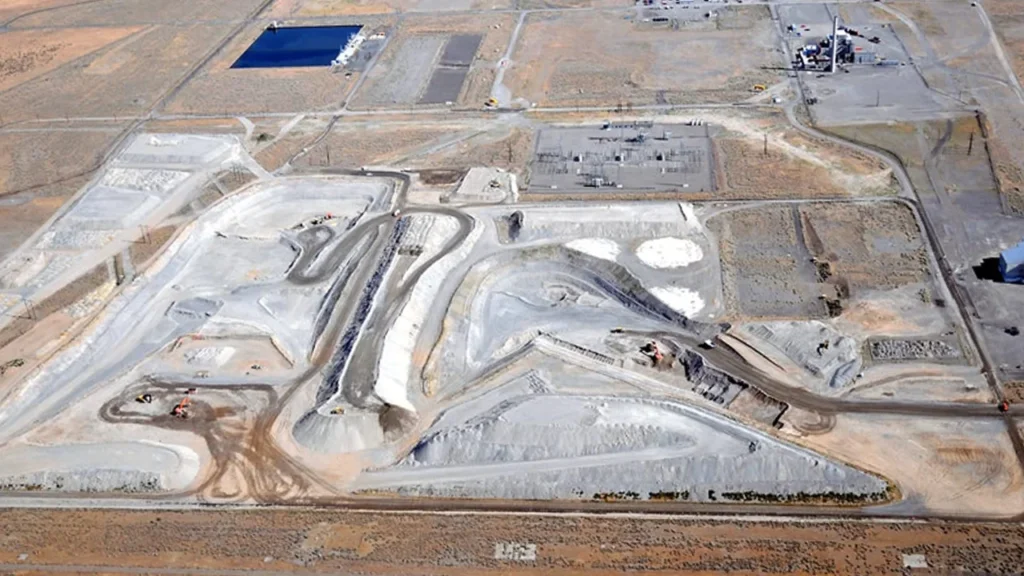
The amount of information the ERWM has about the land is significant, and ranges from land agreements and culturally significant documentation, to the tribe’s own testing data that is vital to the division’s work with U.S. government agencies. The critical nature of the information, however, was not reflected in how it was stored.
“We had a single-wide trailer full of files from floor to ceiling,” Smith described. “We couldn’t search them, and when we needed to refer to something, the issue was locating the box it was in or even the room it was in. A lot of the documents we have are large. As a Department of Energy-funded program, we receive reports that are quite extensive and involve multiple contractors, so this method of storage was not sustainable.”
The importance of this information necessitated a storage solution that was:
- Searchable: The ERWM needed a central repository that enabled efficient and rapid retrieval of specific documents, data points and historical records.
- Accessible: It was critical to provide authorized personnel with timely and reliable access to the information they need to do their job.
- Secure: The division prioritized a solution that had robust security tools to protect sensitive cultural resources, sovereign data, and environmental findings from unauthorized access, modification or loss.
“Laserfiche is the solution we needed,” Smith said. “When we looked at all the different options we had, it came out on top. We have information referencing land that goes back thousands of years. To be able to now capture all of that digitally and make it accessible for future generations is vital. Otherwise, it could be in buildings getting moldy or burnt or stolen.”
Maintaining Data Sovereignty for Future Generations
Today, the ERWM continues its essential work to restore and protect environmental and cultural resources, now with Laserfiche to support staff in retrieving the information they need, when they need it. The tribe can also rest assured that it has the tools to safeguard precious and confidential information that must be preserved for generations to come.
“Our culture is key to everything,” Smith said. “It’s not just our past; it’s our present; it’s how we function. This information is the future for our children, and we can’t lose that.” The ERWM is also exploring new opportunities to streamline processes in other areas such as human resources forms and travel forms. The effort will help the ERWM to be more efficient, and reclaim time for doing what matters most: protecting the environment.