


Designed for new users to get caught up on Laserfiche administration basics, this lab-style instructor-led training will provide the foundations necessary to successfully manage, administer, and troubleshoot your Laserfiche system. Topics covered include repository design, metadata administration, repository security and records management, along with repository and task automation.
Dynamic Fields Now Support External Lookups
Dynamic fields are a useful tool for making your repository metadata cleaner, more consistent, and easier to manage, strengthening data integrity across Laserfiche. This month, we’ve introduced new updates that expand the capabilities of dynamic fields to make them even more powerful.
Previously, dynamic fields were limited to data sourced from static lookup tables. Now, you can configure dynamic fields using data query and web request rules, allowing you to pull live values from external applications directly into your metadata in real-time.
This update allows dynamic fields to display field value options that are based on live business data, reflecting the most current information instantly, no matter where it is stored.
In addition, dynamic field configuration is now available within the template designer, providing a more intuitive place to create and manage these connections.
Together, these updates offer new ways for teams to keep their repository metadata accurate, current and synchronized across their line-of-business systems.
Improve AI Data Capture with Dynamic Fields
Smart Fields can now use list options supplied by dynamic fields to guide metadata extraction. By checking extracted values against the currently available options, Smart Fields can produce more consistent metadata that aligns with an organization’s approved data. Organizations can continue managing these options in their existing source, without duplicating this information in each Smart Fields prompt.
Expanded Audit Trail Events
Laserfiche Cloud Audit Trail is expanding to provide broader visibility into security-sensitive and administrative activity across your cloud environment. Administrators can now better review privileged actions, identity-related changes and account administration activity from a centralized place.
This expansion includes team and project activities along with account-level security and user events. This allows organizations to extend audit visibility beyond the repository into process automation and account-level operations. With a clearer record of what happened and when, it’s now easier to monitor critical account activity and troubleshoot issues for faster investigation and clearer oversight.
Other updates:
Laserfiche Forms Mobile App Update: You can now sign into the Forms mobile app on your iOS or Android device using fingerprint or facial recognition. Biometric authentication now supports Single Sign-On (SSO) for Laserfiche Cloud, including SAML and AD FS authentication. This update also supports a deep linking feature that allows you to open the app directly to a specific form, making it easier to access the right form faster.
Repository API update: The Repository API now supports new capabilities for interacting with documents and metadata, including the ability to manage access rights, document annotations, records management and users’ Recent Documents, Starred documents and personal Collections. See the full changelog for more details.
Idle Session Termination: Administrators can now enable idle session timeout to automatically sign users out after a selected period of inactivity. This gives organizations greater control over session security and helps protect information when a signed-in device is left unattended.
New Toolkit for Developers: Explore the new LF Form Builder, which includes a toolkit of resources and examples to help you modernize how you build, test, and maintain Laserfiche Forms customizations. Learn more about the resource here.
New security suite extends Laserfiche’s proven security controls and adds near real-time data replication for governments, law enforcement and security-conscious enterprises.
LONG BEACH, CALIFORNIA, Aug. 6, 2026 — Laserfiche — the leading SaaS provider of intelligent content management — today announced the launch of Enterprise Security, an advanced suite of security enhancements designed for organizations navigating complex regulatory environments. Enterprise Security addresses GovRAMP and CJIS (Criminal Justice Information Services) security requirements based on the NIST SP 800-53 framework. For organizations handling privileged citizen, legal or corporate data, these built-in controls streamline audit preparation and fortify defenses.
With organizations placing a higher priority on data stewardship and corporate governance, enterprise IT leaders require a security architecture that protects data without slowing down operations. Laserfiche Enterprise Security extends Laserfiche Cloud’s highly resilient infrastructure with multi-region data replication, elevated security controls for privileged accounts, and built-in governance safeguards.
“Maintaining data integrity and compliance has always been at the heart of Laserfiche’s operations,” said Michael Allen, CTO at Laserfiche. “With Enterprise Security, Laserfiche provides enterprise IT users, especially those in government, law enforcement and highly regulated industries, with the complementary controls designed to meet stringent information security standards and protect their most sensitive assets.”
High-Security Controls and Regulatory Alignment
Laserfiche Enterprise Security introduces multi-region disaster recovery, enhanced oversight capabilities, and government-ready cloud security controls tailored for mission-critical data and sensitive operations.
Key capabilities included with Enterprise Security:
- GovRAMP and CJIS Readiness: Deploys advanced operational controls designed to meet strict government and criminal justice compliance mandates for sensitive data handling.
- Multi-region disaster recovery: Safeguards critical operations against large-scale infrastructure failures with near real-time, account-level repository data replication and multi-region failover.
- Advanced audit tracking and analytics: Provides complete visibility into user login activity, system changes, and security events
- Proactive threat augmentation: Bolsters existing security measures by adding specialized protections against unauthorized AI bot scraping and distributed denial of service (DDoS) attacks.
Laserfiche is listed on the GovRAMP Progressing Product List, with the Enterprise Security suite delivering the architectural controls required to support these standards.
Tailored for Mission-Critical Operations
Enterprise Security is built for organizations that safeguard heavily regulated and sensitive data, where seamless recovery and strict information control are vital to everyday operations:
- Government agencies and law enforcement: Safely manage records and criminal justice information while strictly adhering to CJIS and GovRAMP standards.
- Large enterprises and financial services: Protect proprietary corporate data and client financials with strong cryptographic modules and advanced visibility into user activity.
“Highly regulated sectors, from law enforcement to state and local governments, face a unique challenge: They must modernize content management while upholding non-negotiable security standards,” said Andrea Malick, principal advisory director at Info-Tech Research Group. “Solutions that offer built-in compliance frameworks like CJIS and GovRAMP give enterprise IT buyers the confidence to migrate sensitive workloads to the cloud without compromising control.”
Pricing and Availability
Enterprise Security is available starting today as a supplemental SKU for qualifying Laserfiche Cloud deployments.
Laserfiche is also introducing Business+, a new comprehensive subscription tier designed for organizations that want high-level security capabilities built directly into their standard platform deployment.
For More Information
- For a deep-dive into Laserfiche security and governance, visit laserfiche.com/products/trust-security.
Enterprise Security
We’re excited to introduce Laserfiche Enterprise Security, a suite of advanced compliance and data protection tools built directly into Laserfiche Cloud as an add-on for qualifying customers. The new add-on is designed to help organizations reduce risk, improve operational resilience and confidently manage their most essential information.
Laserfiche Cloud has always been built on a secure foundation, and Enterprise Security extends that for organizations who may have elevated security and compliance requirements.
For agencies handling Criminal Justice Information and state, local and tribal governments, along with other regulated public entities, Enterprise Security removes a major barrier to cloud adoption with a NIST 800-53–backed, CJIS-ready, GovRAMP-aligned environment.
Key Features:
Enhanced Disaster Recovery
Enterprise Security introduces cross-regional disaster recovery with four-hour snapshots, helping organizations recover faster from regional outages while maintaining data residency requirements. This reduces downtime, improves business continuity and gives IT teams greater confidence that critical services can keep running when they’re needed most.
CJIS and GovRAMP
Enterprise Security includes CJIS-ready operational controls and an environment built to GovRAMP standards. These frameworks align with U.S. NIST standards and are designed to help agencies modernize operations with Laserfiche Cloud while supporting key security controls that may be required for compliance.
See all that’s included with Enterprise Security on our Trust & Compliance Page, and register for our upcoming webinar to learn more.
NEW Business+ Tier
We have added a new enterprise tier that includes Enterprise Security along with expanded storage, additional API capacity, increased AI usage, more workflow resources and a dedicated sandbox environment for testing and validating changes before deployment. It’s built for organizations that need enterprise-scale performance, flexibility and security as they continue to grow.
Business+ includes Enterprise Security and:
- Expanded cloud storage
- Increased API capacity
- More AI usage
- Additional workflow resources
- A dedicated sandbox environment for testing and validating changes before deployment
Learn more about what’s included on our pricing page.

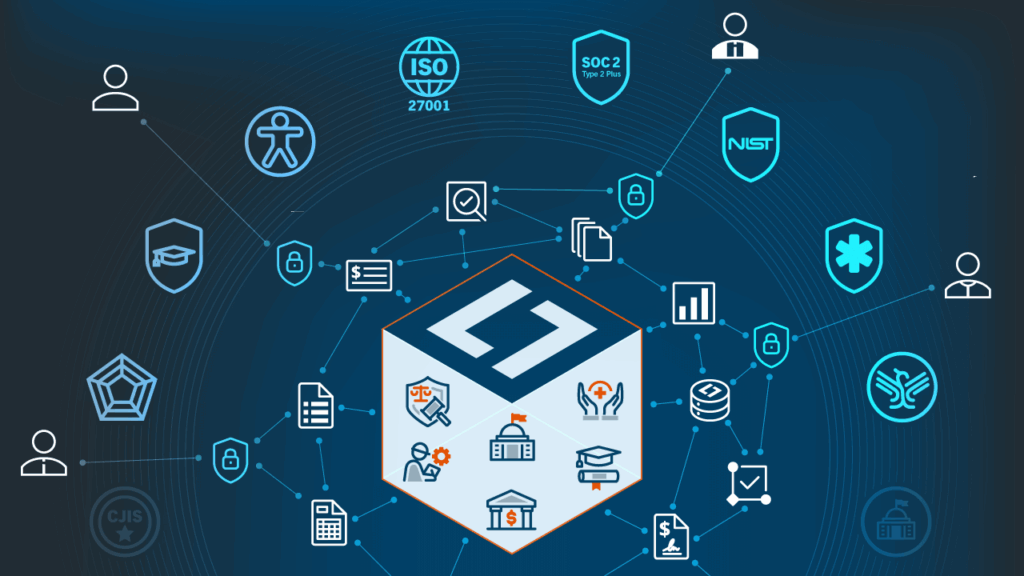
Security Certifications and Compliance Frameworks
GovRAMP
Pending
Laserfiche will achieve GovRAMP Verified status, demonstrating its implementation of security controls aligned with GovRAMP and NIST SP 800-53.
Contact us for more information.
CJIS Ready
Laserfiche Cloud supports CJIS-ready controls that help organizations securely manage Criminal Justice Information (CJI). Enterprise Security provides enhanced auditing, monitoring, encryption and administrative controls that address CJIS and other security requirements.
Contact us for more information.
SOC 2 Type 2 Plus
This report details the controls for Laserfiche Cloud related to the criteria for the security, availability and confidentiality principles set forth in TSP section 100, 2017 Trust Services Criteria for Security, Availability, Processing Integrity, Confidentiality, and Privacy (AICPA, Trust Services Criteria). To view a copy of this report, please contact us.
ISO/IEC 27001:2022
Laserfiche has obtained the ISO/IEC 27001:2022 certification for its information security management system (ISMS) within the scope defined by its Statement of Applicability, covering its suite of SaaS and self-hosted enterprise content management and process automation applications.
HIPAA
Laserfiche’s SOC Type 2 Plus covers the security requirements set forth in the Health Insurance Portability and Accountability Act of 1996 (HIPAA), provided within Title 45 Code of Federal Regulations Sections 164.308 – 312 (45 CFR Sections 164.308-312) (the Security Requirements).
Web Content Accessibility Guidelines 2.2 AA
Laserfiche has published VPATs and ACRs available for all Laserfiche Cloud and self-hosted products. Alignment to the WCAG 2.2 Level AA standard is the basis of our approach to compliance with Section 508 and EN 301 549 requirements. See accessibility details…
DoD 5015.2
DoD 5015.2 details the Department of Defense’s baseline requirements for Records Management Applications (RMA), that facilitate adequate and appropriate basis for addressing the basic challenges of managing records in the automated environment that increasingly characterizes the creation and use of records. Laserfiche Cloud records management controls are based on our self-hosted Department of Defense 5015.2 version 3-certified electronic records management capabilities.
SEC Rule 17a-4
Laserfiche features support non-alterable record archival requirements such as WORM (write once, read many) used to address SEC Rule 17a-4 for broker dealers. Beyond financial services, Laserfiche’s controls can also be applied to support records management practices for electronically stored information (ESI) requiring prevention of any unauthorized alternations or deletions of digital records.
HECVAT
Laserfiche has completed the Higher Education Community Vendor Assessment Toolkit (HECVAT) questionnaire. Contact us for more information.
NIST 800-53
Laserfiche security controls are aligned with NIST 800-53.
AI Security and Governance
Laserfiche AI services are provided using AI models and services from OpenAI. For information on AI services in regions where OpenAI is not available, please contact us.
Regional data privacy requirements
Laserfiche AI addresses privacy and security standards of our current data center locations supporting GDPR (EU), CCPA/CPRA (USA), and PIPEDA (Canada) for low to moderate risk data. Our AI features are architected to support regional and industry-specific compliance needs, providing the same level of data sovereignty and protection you expect from Laserfiche Cloud.
For more information related to Laserfiche AI and data privacy, refer to the following:
- Laserfiche Privacy Notice
- OpenAI Security & Privacy
You own your data
- You retain ownership of inputs you provide. While Laserfiche owns the intellectual property rights to the outputs generated by our AI tools, we grant you a broad license to use those outputs for any of your organization’s internal business needs.
- Laserfiche does not use your organization’s data to train any internal or external AI models. Your data is used only as needed to deliver services and to meet our legal and regulatory obligations.
Laserfiche AI user prompts
Laserfiche designs its AI features with safety and security as core principles. We manage prompting risks through two layers of protection:
- Prompt-less by design: Many Laserfiche AI features, such as Document Summarization, do not use user prompts, reducing risks associated with accidental or malicious prompting.
- Enterprise-grade safeguards: For features that do accept user input, like Smart Fields and Smart Chat, we employ industry-standard protections against prompt injection. These include input filtering, validation, and other controls that keep prompts and responses within defined, limited boundaries.
Content confidentiality
Your confidential content is not accessible to other customers or unauthorized third parties. Laserfiche distinguishes between two types of data:
- Your confidential content: Laserfiche does not sell your data. Documents, files, and inputs you upload to Laserfiche are your own content.
- Usage and system data: Like most cloud providers, Laserfiche collects limited, high-level usage data (such as feature adoption and system performance metrics) to operate and improve the platform. This data is de-identified and does not include the contents of your documents or AI prompts.
Data retention
- OpenAI may store the prompts you enter or the responses you receive temporarily for up to 30 days to provide services and identify abuse. After 30 days, API inputs and outputs are removed from their systems, unless they are legally required to retain them. For more details, please refer to the OpenAI Services Agreement.

Security Controls
Below are some of the security controls Laserfiche software includes. If you have questions about a particular security solution or control, please contact us directly.
Single sign-on
Laserfiche Cloud supports single sign-on with Active Directory Federation Services (AD FS) and SAML authentication with identity providers such as Okta and Azure Active Directory.
Repository audit log
The Laserfiche Cloud repository audit log includes details of user actions, including viewing, modifying, creating and deleting documents, and similar operations on metadata and other repository objects.
Fine-grained access control
Administrators can use access rights to limit and control access to individual documents and objects. For example, security tags restrict access to documents on a document-by-document basis.
Intrusion detection
Laserfiche Cloud utilizes host-based intrusion detection systems to reduce the risk of data theft by individuals or organizations attempting to gain unauthorized access.
Access rights
Administrators can configure access rights and privileges to limit actions that users can perform across the repository based upon role assignments or group memberships.
AI governance
Laserfiche AI data is encrypted at rest (AES-256) and in transit (TLS 1.2+). Laserfiche does not utilize any of your data to train internal or external AI models.
Password policies
Laserfiche Cloud supports industry-standard password controls, such as password minimum length, complexity and history.
Penetration testing
Laserfiche engages third-party vendors to conduct external penetration testing of the Laserfiche Cloud system.
Vulnerability scanning
Laserfiche performs a vulnerability scan of backend servers that run in the Laserfiche Cloud hosting environment.
Firewalls
Laserfiche Cloud’s firewall configuration settings are regularly reviewed based on industry standards.
Repository application auditing
Laserfiche Cloud supports auditing of both access and modification of objects in repositories.
Enterprise Security
Securely modernize your business-critical work with Laserfiche Cloud.
Laserfiche Enterprise Security enhances security, resilience and governance capabilities for organizations managing sensitive, highly regulated data in Laserfiche Cloud.1 It provides FIPS 140-3 encryption2, privileged-user activity visibility, configurable session controls and multi-region disaster recovery with near real-time account-level replication.
Available to Laserfiche Cloud Business customers as an optional Add On, included with Business+ and offered for eligible Municipal Cloud packages.
Features
- Multi-region disaster recovery with near real-time repository replication
- Four-hour repository snapshots
- Enhanced user and privileged account monitoring
- Configurable security policies including inactivity session time out controls
- GovRAMP Verified and CJIS-ready
| Laserfiche Cloud Security Features | Professional Tier | Business Tier | Business+ Tier |
|---|---|---|---|
| AES‑256 Data Encryption | ✓ | ✓ | ✓ |
| Role‑Based Access Controls | ✓ | ✓ | ✓ |
| Single Sign‑On (SSO/SAML/AD FS) | ✓ | ✓ | ✓ |
| DDoS Protection | ✓ | ✓ | ✓ |
| Unauthorized AI Bot Prevention | ✓ | ✓ | ✓ |
| Administrative and Repository Auditing | ✓ | ✓ | ✓ |
| Configurable Inactivity Timeouts | ✓ | ✓ | ✓ |
| Advanced Audit Trail | Add On | ✓ | ✓ |
| FIPS 140-3 Cryptographic Modules | ✓ 3 | ✓ | |
| Four-Hour Repository Snapshots | ✓ | ✓ | |
| Multi-Region Disaster Recovery Support | ✓ | ✓ | |
| GovRAMP (Pending) | ✓ | ✓ |
- To ensure alignment with regulatory and operational needs, organizations should evaluate their use cases against the acceptable use restrictions in our Cloud Subscription Agreement before making a purchase. ↩︎
- Note: Enhanced encryption uses FIPS-compliant cryptographic algorithms (FIPS 140-3) that utilize up-to-date crypto routines approved by NIST and compiled to help prevent sophisticated attacks on underlying cryptographic algorithms. Enhanced encryption is available for the Laserfiche Cloud U.S. Region. ↩︎
- Items with an orange check-mark (“FIPS 140-3 Cryptographic Modules” and below) are available with the Enterprise Security Add On for Laserfiche Cloud Business customers, included with Business+ and offered for eligible Municipal Cloud packages. ↩︎

“Laserfiche’s compliance tools in the cloud, and knowing that Laserfiche takes security very seriously have been important factors in our decision making.”rn—Andrew McElrath, strategic project manager at Mille Lacs Corporate Ventures
Featured Success Story
Mille Lacs Corporate Ventures Transitions Corporate Operations to Laserfiche Cloud
Mille Lacs Corporate Ventures (MLCV), created by the tribal government of the Mille Lacs Band of Ojibwe, manages the business affairs of the Band.

Laserfiche is committed to privacy.
Our commitment
At Laserfiche, we have embraced a culture of privacy, which includes embedding privacy-by-design in our engineering efforts, and have implemented controls and policies throughout our organization. Laserfiche is a B2B company based in California. The State of California has passed strict, broad privacy regulation through the California Consumer Privacy Act (CCPA) and the California Privacy Rights Act (CPRA) while the General Data Protection Regulation (GDPR) leads the European Union’s privacy efforts. Many other countries, states and territories have implemented privacy regulations as well. Laserfiche endeavors to continually adapt and adhere to ever-evolving regulations that apply to its business.
Operational privacy
Operationally, we strive to keep our stakeholders’ data secure and retain only information we collect from you where we have an ongoing legitimate business need to do so, like providing you with a service you have requested, or to comply with applicable legal, tax or accounting requirements.
Privacy training
At Laserfiche, all employees are required to complete annual privacy training which covers applicable privacy regulations and data handling best practices.
Laserfiche documentation
In addition to what we communicate in our Privacy Notice, our Cloud Subscription Agreement with accompanying Data Processing Addendum specific to the Laserfiche Cloud platform addresses data privacy regulations including GDPR, CCPA and PIPEDA.
International transfers
For personal data transferred from the United Kingdom, the European Union and Switzerland, we provide appropriate safeguards per the Data Privacy Framework. To learn more, visit the “International Transfers” section of the Privacy Notice.
Information we collect
We collect information that you provide directly to us only for legitimate business purposes. For example, when you manage your user profile, participate in interactive features (such as the Contact Us page), request newsletters or other marketing communications, request customer support, enter login information, or otherwise communicate with us. To learn more visit the “Information We Collect” section of the Privacy Notice.
You have the right to opt-out of marketing communications we send you at any time. You can exercise this right by clicking on the “unsubscribe” or “opt-out” link in the marketing emails we send you. To learn more, visit the “How Laserfiche Uses and Shares the Information We Collect” section of the Privacy Notice.
To read our complete Privacy Notice, visit our Privacy Notice page.
Contact Us for Your ECM Needs
Whether you have product questions, support needs or want to partner with us, we’re here to help you on your digital transformation journey. Fill out the form and a Laserfiche team member will be in touch as soon as possible.

In the modern enterprise, information is often compared to oil—a raw resource that is valuable only when refined. However, for many organizations, that “oil” has become a “swamp.” We are drowning in Ghost Content: the vast quantities of documents, emails, and data points that are stored daily, tucked away, and promptly forgotten. This hidden hoard isn’t just a storage cost; it’s a locked chest of insights and a potential compliance liability.
In a recent thought leadership webinar, experts from Info-Tech Research Group and Laserfiche sat down to discuss how artificial intelligence is finally providing the key to unlocking your data, moving organizations from digital clutter to operational clarity.
The New Information Landscape: Breaking Down Silos
For decades, IT departments have drawn a thick line between “Data” (structured numbers in databases) and “Content” (unstructured documents like PDFs and emails). According to the Info-Tech experts, those lines are officially dead.
AI doesn’t care about the format of your information. Whether it’s a row in a spreadsheet or a paragraph in a contract, modern AI agents see it all as Knowledge. To be “AI-ready,” organizations must stop managing these assets in silos. Integrating technology, architecture and governance teams is the first step toward a unified information strategy that is cost-effective and compliant.
Nysa Zaran, data and analytics director of research at Info-Tech, emphasizes the importance of this shift, saying, “One of the moves that we need to begin to make as organizations is to think more broadly about our information as a whole, our knowledge, our data and our content, and start thinking about how we can manage that and leverage that together.”
The Four Dimensions of AI
To understand how to leverage this technology, Zaran breaks AI into four core capabilities that are reshaping the workplace:
- Perception: The ability to interpret input, such as digitizing handwriting or transcribing speech.
- Natural Language Processing (NLP): Democratizing access to data by allowing users to interact with systems using human-like speech.
- Knowledge Representation: Providing context in complex environments and mapping how different pieces of information relate to one another.
- Generative AI: The ability to co-create new content based on existing organizational knowledge.
While some of these technologies have existed for years, their accessibility is what has changed. Tools that were once reserved for data scientists are now available at the fingertips of every office worker.
Tackling the “Content Swamp” with Principles
If you turn a powerful AI loose on a “content swamp”—a disorganized SharePoint or a messy file server—you won’t get insights; you’ll get amplified chaos. The experts suggest a principle-based approach to decide what information actually matters. Info-Tech proposes the “I-VALUE” framework. High-value information is:
- Irreplaceable
- Value-driving
- Authoritative
- Legally/Contractually relevant
- Unique
- Enabling to the organization
By establishing these principles, leadership can share the responsibility of data ownership across the company, rather than leaving it solely on the shoulders of the IT department.
Using AI to Prepare for AI
One of the biggest misconceptions in digital transformation is the idea that “we aren’t ready for AI because our data is too messy.” The Info-Tech team flips this script: You can use AI to clean your house.
This is where AI-powered information management comes in. Instead of manual audits that take years, organizations are now using AI for auto-classification, metadata prediction, and deduplication. You can use AI to identify personally identifiable information (PII) at scale or to flag expiring vendor contracts that were previously hidden in the depths of your archives. In this way, AI isn’t just the end goal—it’s the janitor that helps you get there.
“Use your technology. It’s powerful,” said Andrea Malick, principal advisory director at Info-Tech. “Use it to its potential, and you’ll now be set up for emerging technology.”
The Path Forward: Strategy Over Hype
So, where should you start? The panel suggests a “strategic but practical” approach. You don’t need an “easy button”; you need a six-month roadmap.
- Identify High-Impact Use Cases: Don’t try to boil the ocean. Find one or two doable projects, like automating a construction foreman’s field notes or linking structured sales data with unstructured client emails to find new patterns.
- Focus on Literacy: Ensure your team understands what these tools are capable of and, more importantly, how to use them safely.
- Leverage Vendor Partners: Use platforms like Laserfiche that have already baked these AI capabilities into their ecosystem. From natural language extraction to AI agents that handle reasoning tasks, the tools to transform your “Ghost Content” into a competitive asset already exist.
Reclaim Control of Your Information Ecosystem
The shift from complex, fragmented data to clear, actionable intelligence isn’t just a technological upgrade; it’s a cultural one. By breaking down the barriers between data and content and using AI-powered information management to streamline governance, your organization can stop searching for information and start using it.
To learn more about how to unlock your organizations unstructured data and hear directly from Research Directors of Info-Tech Research Group, watch the full webinar.
Delivering Time-Sensitive Services Across Northern Minnesota
Imagine facing a harsh winter without heat. Or struggling to put food on the table for your family. For many individuals and families across northern Minnesota, these challenges are a reality. Arrowhead Economic Opportunity Agency (AEOA) has a mission to help them. With programs spanning housing, energy assistance, Head Start, SNAP, senior services and transportation, AEOA delivers these critical services to thousands of Minnesotans each year.
The work is both high-volume and time sensitive. For years, much of it depended on paper files and manual processes. Across departments, staff managed large volumes of documentation by hand:
- In the Energy Assistance Program alone, staff processed 8,000 to 9,000 applications annually, with each application requiring physical handling, filing and retrieval
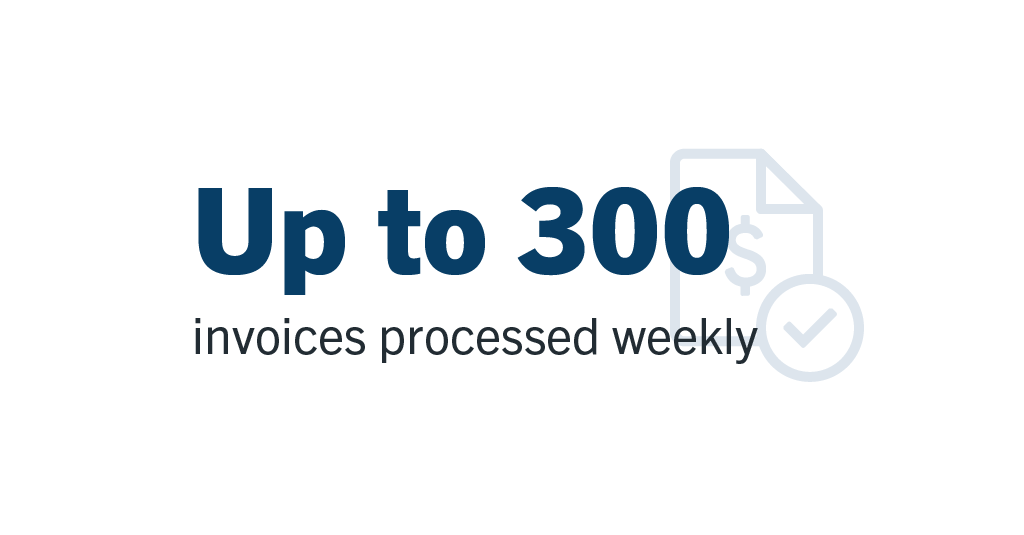
- The fiscal team managed 100 to 300 invoices weekly, often pulling and re-filing documents to support financial and compliance audits and reporting requirements
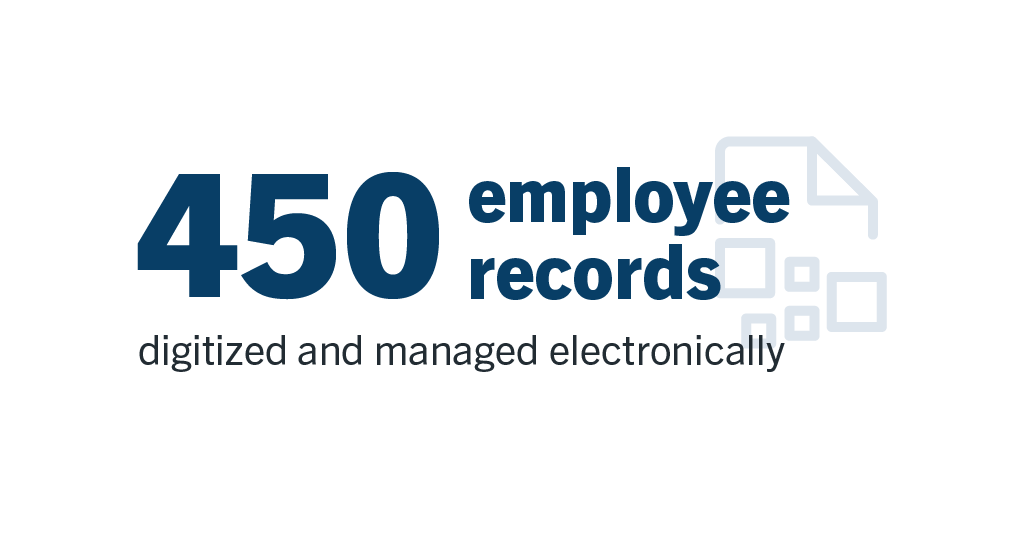
- Human resources maintained personnel records for approximately 450 employees, stored in paper files that required manual filing, organizing and ongoing maintenance
- Housing and community programs relied on paper intake forms and manual processes to support high-volume client services across departments
These processes created delays at multiple points in the workflow. Staff often had to search across file cabinets, coordinate handoffs between teams or track down missing information. This made it harder for AEOA to respond quickly to community needs. It also provided limited visibility into where applications or documents were in the process, which made it especially challenging for managers and program leaders responsible for oversight and reporting.
“We were managing critical programs with systems that made it harder to move quickly,” said Emily Celley, chief financial officer at AEOA. “When your mission is to serve people in urgent situations, operational efficiency directly impacts outcomes.”

Building In-House Workflows to Support Evolving Programs
AEOA initially adopted Laserfiche to replace paper-based files and centralize how staff store, retrieve and manage program documents. Over time, use of the platform evolved into a foundation for how AEOA manages its programs, data and day-to-day operations.
Working with Laserfiche partner OPG-3, AEOA expanded Laserfiche across departments, building and refining workflows to meet the needs of each program.
“From the beginning, we weren’t looking to just digitize documents. We wanted to build processes that could grow with us,” said Celley. “The Laserfiche platform lets us continuously improve how we work.”
AEOA’s team now develops many of its Laserfiche workflows in-house, tailoring solutions to support high-volume, time-sensitive services. This allows the organization to quickly adapt processes as program requirements change without relying on extensive IT resources or outside development.
Streamlining Programs from Energy Assistance to Meals on Wheels
One of the strongest examples is the Energy Assistance Program. Previously, applications were managed as paper files, manually sorted and routed. Today, applications are batch scanned into Laserfiche and processed through automated workflows. Metadata determines how each application is categorized and routed, including directing urgent cases, such as households facing shutoff notices, into priority workflows. This eliminates the need to pull and manage physical folders and enables AEOA to identify and address time-sensitive cases more quickly.
Similar improvements extend across AEOA, where Laserfiche supports a wide range of high-volume, digital workflows across programs:
- Housing: Applications for building rehabilitation and home ownership begin with simple digital intake forms. Submissions are then automatically routed through review and approval stages. Families can move through the process more quickly, supporting housing stability.
- Education: Staff manage multiple form-based processes, including Head Start childcare acknowledgments and onboarding, ensuring information is collected consistently and stored securely across locations. Families experience a smoother path to accessing early education services.
- Senior services: Programs like Meals on Wheels and volunteer coordination use intake forms and metadata-driven workflows to capture participant information and streamline service delivery. Seniors benefit from more reliable and better-coordinated support.
- Transportation: Documents such as trip records, driver logs and program documentation are imported and organized using metadata, making it easier to manage high volumes of information and quickly retrieve records for reporting, compliance and daily operations. This results in more reliable transportation services for riders.
“Laserfiche fundamentally changed how work gets done across our organization,” said Celley. “Processes that once relied on manual coordination and paper are now faster, more consistent and easier to manage across teams and locations so services can reach people sooner.”
Moving to Cloud-Based Operations
As Laserfiche adoption grew, AEOA modernized its infrastructure by migrating to the cloud. Moving away from aging on-premises servers reduced the burden of system maintenance while improving accessibility for staff across locations.
A phased migration allowed AEOA to continue expanding its use of Laserfiche without being limited by infrastructure constraints. Today, the cloud environment supports ongoing innovation and gives staff faster, more reliable access to information across programs.
“Moving to the cloud positions us to continue evolving without being limited by infrastructure,” said Celley. “That changes how quickly we can respond, both internally and to the people we serve.”
Strengthening Compliance Across State- and Federally Funded Programs
That same visibility also strengthens how AEOA manages risk, compliance and data security across its programs. The nature of AEOA’s work means it handles vast amounts of sensitive client and program data. Laserfiche enables the organization to control access to information based on roles, supporting confidentiality while maintaining accessibility for authorized users. The system also simplifies audit preparation by allowing staff to quickly compile documentation across thousands of records.
“In our environment, compliance and accountability are critical,” said Celley. “Laserfiche gives us confidence that we can meet those requirements while still operating efficiently.”
Advancing the Mission Through Greater Efficiency
AEOA staff now spend less time managing paperwork and more time supporting Minnesotans in need. “Our mission is to strengthen communities by providing opportunities for people experiencing social and economic challenges,” said Celley. “Laserfiche helped us remove barriers in our processes to better deliver on that mission.”
With a strong foundation in place, AEOA continues to explore new opportunities to optimize workflows, expand automation and improve service delivery across its programs. “Laserfiche allows us to operate more efficiently at scale,” said Celley. “This directly impacts how quickly we can deliver services to the communities we support.”
Managing Decades of Records Across Nearly 1,000 Institutions
Accrediting a college or university isn’t a one-time event. It’s a continuous process that spans years and generates extensive documentation at every step, including evaluation reports, institutional filings, compliance materials and records.
For the Higher Learning Commission (HLC), an institutional accreditor that works with approximately 1,000 institutions to evaluate all aspects of their offerings and operations, managing this volume of records is essential to ensuring quality and accountability across higher education. HLC depends on accurate documentation and timely access to information.
“Behind every accredited college or university is a decade-long trail of documentation,” said Jon Davenport, CIO at HLC. “From initial evaluations to ongoing compliance reviews, we have hundreds of thousands of documents tied to institutions.”
Each institution’s accreditation cycle involves multiple review points and hundreds of associated documents. Over time, HLC digitized many records and relied on a legacy document management system. But as the organization grew, that system couldn’t effectively manage the volume and diversity of document types. Search functionality was inconsistent and slow. And retrieving records for accreditation reviews took valuable time.
Much of this work began in Salesforce, where staff manage institution data and track accreditation activity. However, accessing supporting documentation required switching systems and manually searching for records, adding friction to everyday workflows.
At the same time, retention processes relied on manual tracking. This created compliance challenges and increased the risk of human error.

Aligning Technology with Accreditation and Compliance Needs
HLC set out to find a more capable and scalable platform. To ensure the solution met both technical and day-to-day needs, HLC involved stakeholders across departments such as records management, IT, legal and regulatory affairs, human resources and accreditation operations in the selection process.
Joan Mitchanis played a key role in evaluating potential solutions and ensuring the platform could support HLC’s long-term records management requirements. “We needed a system that was built for content and records management,” said HLC’s records manager. “Retention, security and the ability to manage information over the long term were all critical considerations for us.”
After a detailed evaluation, HLC selected Laserfiche. It stood out for its records management capabilities, search functionality and automation tools.
Working with Laserfiche solution provider Modified Logic, HLC migrated hundreds of thousands of documents into a centralized repository. The team approached the project with careful planning, focusing on maintaining user familiarity while improving structure and performance.
The migration prioritized:
- Clear metadata and document structure
- Improved search and reporting
- Automated retention policies
- A scalable foundation for future workflows
This approach enabled a smooth transition and laid the foundation for continued growth and innovation.
“Laserfiche gives us the flexibility to build and improve processes as our needs evolve,” said Davenport. “We can automate workflows, improve access to information and continue expanding what the system can do.”
Transforming Everyday Work for Everyday Users
HLC quickly saw improvements across daily operations, particularly in how staff access and work with information. Teams can now search within documents, quickly locate key details and manage large volumes of records with greater ease. Combined with automation and system integrations, these changes reduce manual work, improve consistency and lower the risk of human error.
- Faster, more accurate search. Laserfiche makes it easy for HLC to refine searches, reuse saved queries and surface the right information without starting from scratch. This is especially valuable when gathering documentation for accreditation reviews. “I can find exactly what I’m looking for the first time,” said Cheryl Rothwell, human resources and operations manager. “Being able to use relative date ranges, like the last 10 years, makes it much easier to pull the right records without extra work.”
- Simplified document handling. Laserfiche streamlined routine document management tasks for HLC. Files with duplicate names are automatically differentiated, reducing the risk of missing documents or overwriting files. Staff can also download large sets of documents at once, saving time and eliminating repetitive steps. “It’s the small improvements that matter most,” said Claire Boyan, accreditation processes coordinator. “Tasks like downloading large sets of documents now take about half the time.”
- Automated records retention and compliance. Retention management is critical for HLC, which must meet strict regulatory and legal requirements. Laserfiche introduced structured retention policies with clear timelines and visibility, while also supporting litigation holds. These enable HLC to assign retention policies and to lock documents in place during legal procedures or formal investigations while continuing to add new records. “Laserfiche gives us confidence in our retention processes,” said Mitchanis. “It removes the risk of accidentally deleting something that should be retained.”
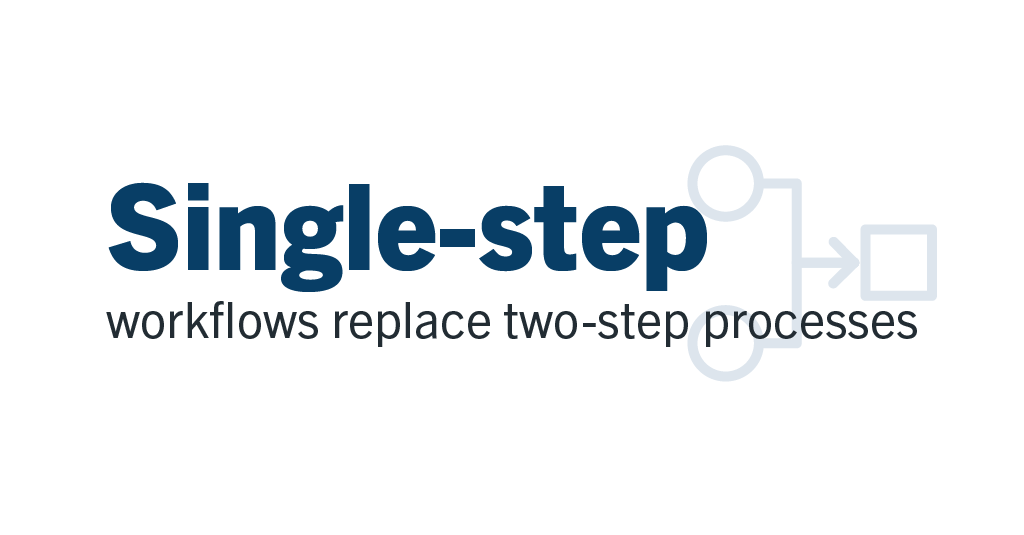
- Streamlined feedback workflows. HLC regularly receives feedback from external stakeholders that requires careful documentation and timely communication. Previously, managing feedback involved several manual steps, including assigning retention policies and tracking documents individually. Laserfiche simplified key parts of this process. “What used to take two steps now takes one,” said Sarah Hallett, manager of legal and governmental affairs. “With the volume we handle, even small efficiencies like that save a significant amount of time.”
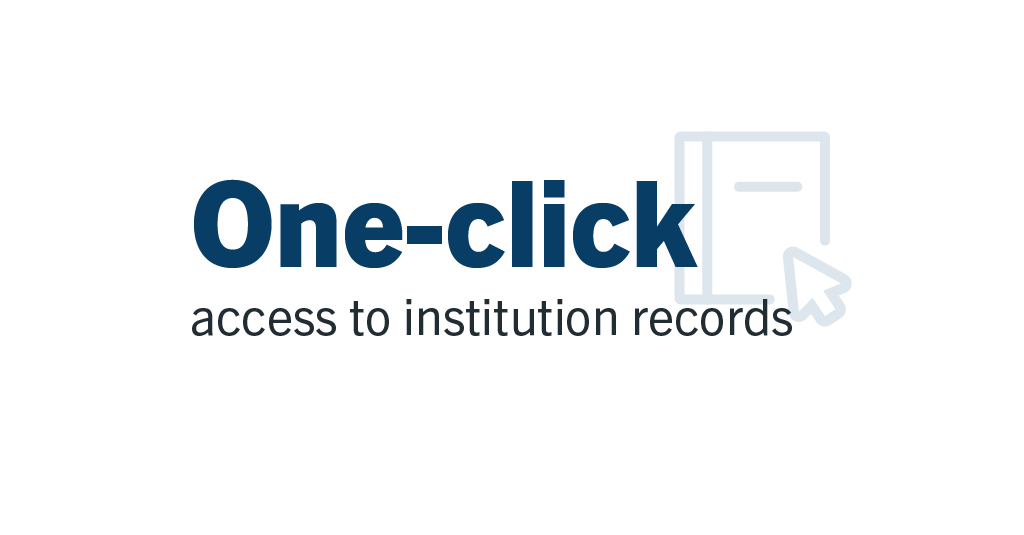
- Seamless Salesforce integration. HLC integrated Laserfiche with Salesforce to improve access to records. Staff can now open institution-specific folders directly from Salesforce with a single click. “It’s become a bit of a magic button for our users, especially our leadership team,” said Will Mahoney, associate director of information technology. “They can go straight from Salesforce to the exact information they need without switching systems or searching.”
Advancing the Mission with Better Data Access
HLC staff now spend less time searching for documents and more time supporting institutions. Processes are faster and more consistent, with improved data accuracy and visibility across teams.
With a strong foundation in place, HLC continues to expand its use of Laserfiche. The organization created a governance group to prioritize new initiatives and evaluate opportunities for automation and process improvement. Future plans include expanding workflow automation, increasing use of Laserfiche Forms, enhancing integrations with internal systems and exploring AI capabilities. “Laserfiche helps us do our job better every day,” said Davenport. “It directly supports our mission of ensuring quality in higher education.”

Higher education is facing a defining moment. Institutions are under increasing pressure to rethink how they manage information and deliver value to students, all while contending with limited resources, rising operational costs, reduced enrollment and the accelerating pace of digital transformation.
In the coming year, agentic AI adoption tied to intelligent automation will become essential strategies, moving from industry buzzwords to operational necessities that will fundamentally reshape campus operations and the student experience. This shift aligns with the Higher Learning Commission’s (HLC) 2026 Trends Report, which identifies innovation as the ‘linchpin’ for success in a landscape requiring both administrative quality and workforce-aligned outcomes. Here are three key trends set to shape higher education in 2026 and beyond.
From Manual to Autonomous: 3 Pillars of the Agentic Campus
- Agentic AI with natural language prompts will amplify AI adoption and accountability
In 2026, higher education will leverage intelligent automation and no-code natural language prompts with AI agents to modernize student services, financial workflows and compliance management. The adoption of agentic AI tools will empower non-technical staff at institutions to build and deploy applications quickly, reducing reliance on IT and accelerating digital transformation, especially as teams are asked to do more with fewer resources. AI-powered platforms also improve consistency and compliance. AI Agents, through natural language chat, can help less technical staff get more work done. Ready to have staff breeze through document prep, data verification and content organization?
Autonomous intelligent workflows will streamline repetitive tasks, minimize errors and enhance transparency in administrative processes, making it easier to track progress. This isn’t just about digitizing forms; it’s about deploying AI agents that act as technical virtual assistants to streamline student records management and other high-volume administrative burdens.
With ROT (redundant obsolete trivial) data under control, IT and data teams can redirect resources from data wrangling to strategy using real-time insights to improve student outcomes and institutional performance. This shift will foster a culture of agility, enabling institutions to respond quickly to changing needs and deliver more productive and data-driven support to both students and staff.
Explore how Laserfiche AI Agents can turn chat prompts into hours of time saved.
- AI-driven automation and cloud adoption will redefine campus operations and student experience
Rising costs and shrinking staff will push institutions to use AI-driven content management to mine insights from unstructured data locked in emails, PDFs, and archives and leverage data in predictive ways like surfacing early warning signs for at-risk students.
As volume and complexity of campus data continues to grow, leveraging AI and cloud-based solutions will become essential for streamlining workflows and enhancing operational efficiency. Universities will automate document classification and records cleanup, enabling cross-departmental visibility and compliance. Leveraging AI-powered content management can then extract vital information to deliver the right student services.
Cloud adoption will further empower institutions to centralize information, facilitate secure remote access, and scale resources on demand, which will help support hybrid learnings environments and distributed teams. By turning ghost data into usable intelligence, campuses will improve decision-making in areas like enrollment forecasting, financial aid, and research administration all while reducing the manual burden on staff. Ultimately, these advancements will not only optimize internal processes but also elevate the student experience by enabling faster and more personalized services and support.
- Data stewardship will become a cornerstone of student trust
AI-empowered content management, and the addition of virtual assistant-like agentic AI, will allow institutions to prove they are responsible stewards of student and research data. As data privacy concerns intensify, universities should prioritize robust data governance frameworks to safeguard student’s sensitive information. In addition to today’s students expecting modern tech integration for academic use, they’re increasingly aware of how their data is used, and they expect transparency, accountability, and care in return. Automated retention, anonymization, and policy enforcement will ensure compliance with FERPA, HIPAA, and accreditation standards.
By making transparency and accountability visible across all content systems, universities will rebuild trust and demonstrate ethical leadership in the AI era. This commitment to responsible data stewardship will not only protect institutional reputation, but also foster stronger relationships with students, faculty, and partners, reinforcing the institution’s role as a trusted guardian of information.
Building a Foundation for Lasting Success
As higher education navigates the challenges and opportunities of 2026, embracing agentic AI, cloud technologies, and strong data stewardship will be critical to future success. Institutions that invest in intelligent automation will not only streamline operations and reduce costs but also create more agile and responsive environments that put student needs first. By prioritizing transparency and accountability in data management, institutions can build lasting trust with students and stakeholders, ensuring compliance and ethical leadership in a rapidly evolving digital landscape.
Ultimately, the path forward for higher education is clear – those who leverage technology to reimagine campus operations and champion responsible data practices will be best positioned to deliver meaningful value, foster innovation, and thrive in the years ahead.
Laserfiche provides intelligent orchestration and documentation tools designed to help higher education organizations modernize and stay ahead of the demands of 2026 and beyond.
Watch our webinar with California Baptist University to see how their institution is using Laserfiche AI and automation to accelerate operations and transform student services.
Our July updates make it easier to give AI the right context, complete forms on the go and manage repository information through expanded API capabilities. Discover what’s new in Laserfiche Cloud this month, including updates to Smart Chat and Laserfiche AI Agents, Android availability for the new Laserfiche Forms mobile app and new Repository API V2 enhancements.
Give Smart Chat and Laserfiche AI Agents the Right Context
Smart Chat and Laserfiche AI Agents work best when they have the right context: the documents, folders, search results or collections relevant to your question or requested action. With this release, we’re making that context easier to provide and easier to verify.
Previously, Smart Chat and AI Agents only used the repository entries that you explicitly selected. Now, when no entries are selected, they automatically use the content in your current repository view as context. This means you can ask questions or prompt actions based on what you’re already looking at, whether that’s a folder, search results, a personal collection or a default collection such as Recent Documents.
You still control the scope. To focus on a narrower set of content, simply select the specific documents, folders or collections you want to include. Explicit selections always take precedence, so Smart Chat and AI Agents will use only your selected sources and ignore everything else.
We’ve also added a new selected sources badge that shows what repository content is currently in scope. The badge may display selected folders, documents or personal collections, or, when nothing is selected, a count of the entries in your current view.
Together, these updates reduce setup time, clarify what content Smart Chat can reference and what AI Agents may act upon, and help users confidently transition from finding the right content to putting it to work.
Tip: Collections let you group related documents from across the repository into a reusable source of AI context. Open a collection and Smart Chat or AI Agents can use its contents automatically. Watch the video above to learn more about using collections.
Laserfiche Forms Mobile App Now Available on Android
The new Laserfiche Forms mobile app is now available to both iOS and Android users.
With the new app, you can securely manage your tasks and complete digital forms from anywhere. View all the tasks assigned to you, update key details like due dates and priority, reassign tasks to another user or team or complete your tasks directly from the app.
You can also launch, complete and submit forms on the go, with a mobile-friendly experience that supports image attachments directly from your device.
Download the new app today by searching for Laserfiche Forms in the App Store or on Google Play.
Repository API V2 Update
This update gives repository administrators more ways to configure repositories and discover document information through the Laserfiche API. Administrators can now manage metadata fields, list values and templates, including template field layout, with safeguards for higher-risk changes. The update also adds document size and folder child-count details to support storage reporting.